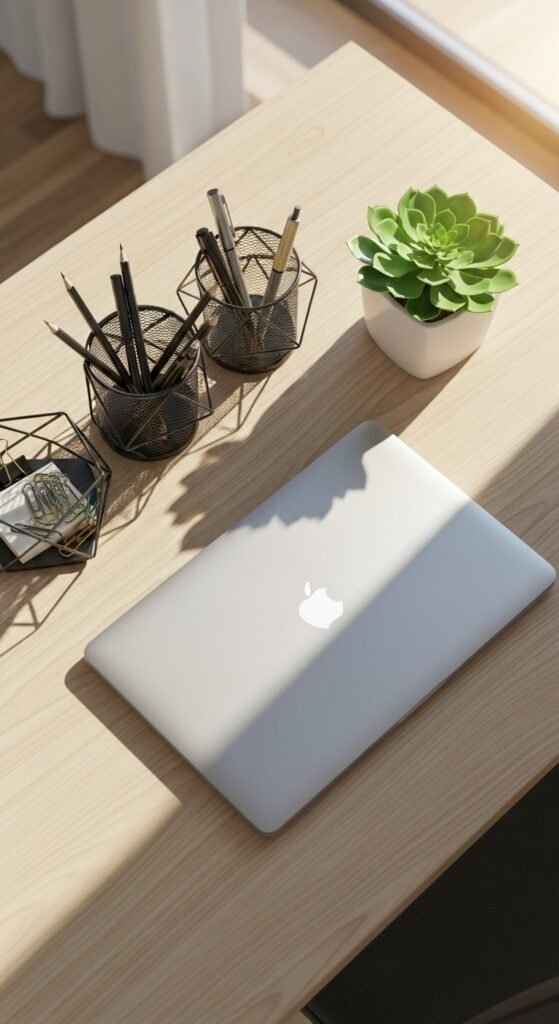
A cluttered desk drains your energy before you even start working. Papers pile up, pens disappear, and that important document? Lost somewhere under yesterday’s coffee cup. The good news: organizing your workspace doesn’t require expensive systems or a complete overhaul. Simple changes create powerful results. When everything has a home and distractions fade away, your mind clears and productivity follows naturally. These practical tips help you build a workspace that supports your goals without breaking the bank.
Use Vertical Space with Wall-Mounted Shelves
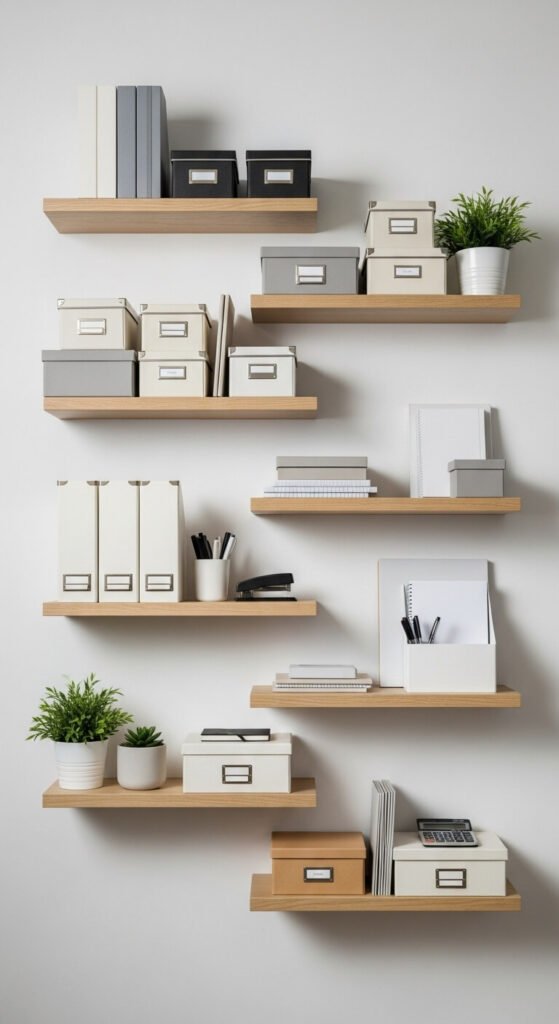
Your desk surface is prime real estate. Don’t waste it on items you use occasionally.
Install simple floating shelves above your workspace. They cost under $20 at hardware stores. Mount them yourself with basic tools in under an hour.
Store reference books, binders, and decorative storage boxes up high. Keep frequently used items at arm’s reach on lower shelves. This setup frees your desk for active projects.
DIY tip: Use command strips for damage-free installation if you’re renting. Paint budget shelves to match your walls for a custom look without the custom price tag.
Create a Cable Management System
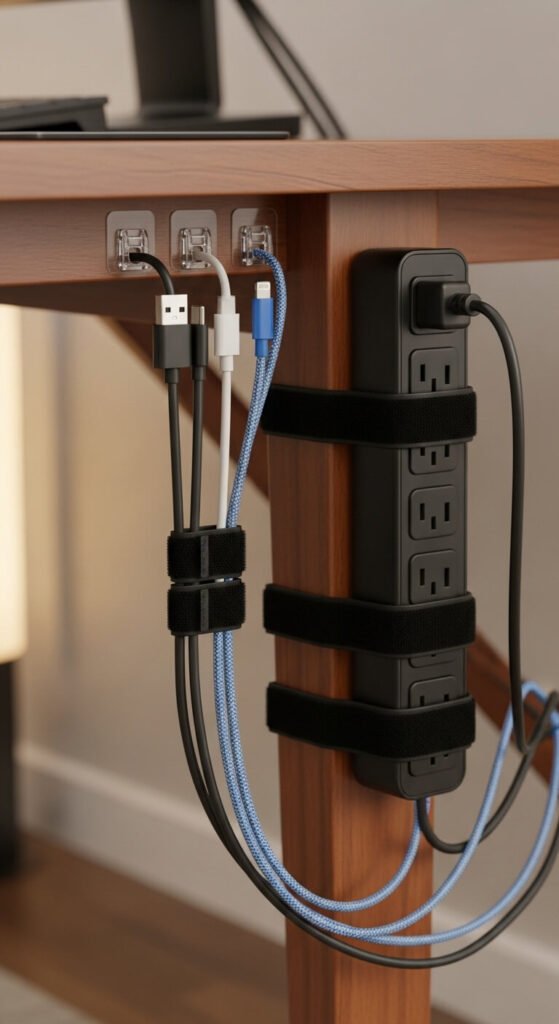
Tangled cords look messy and make cleaning difficult. They also create fire hazards when dust
accumulates.
Grab velcro cable ties from the dollar store. Bundle similar cables together. Route them along desk legs or under the surface using adhesive clips.
Label each cord with masking tape and a marker. You’ll know exactly what unplugs what during your next tech update.
A simple power strip with on/off switches lets you kill phantom energy drain with one click. Mount it under your desk to hide the bulk while keeping the switch accessible.
Designate One Inbox for Incoming Papers
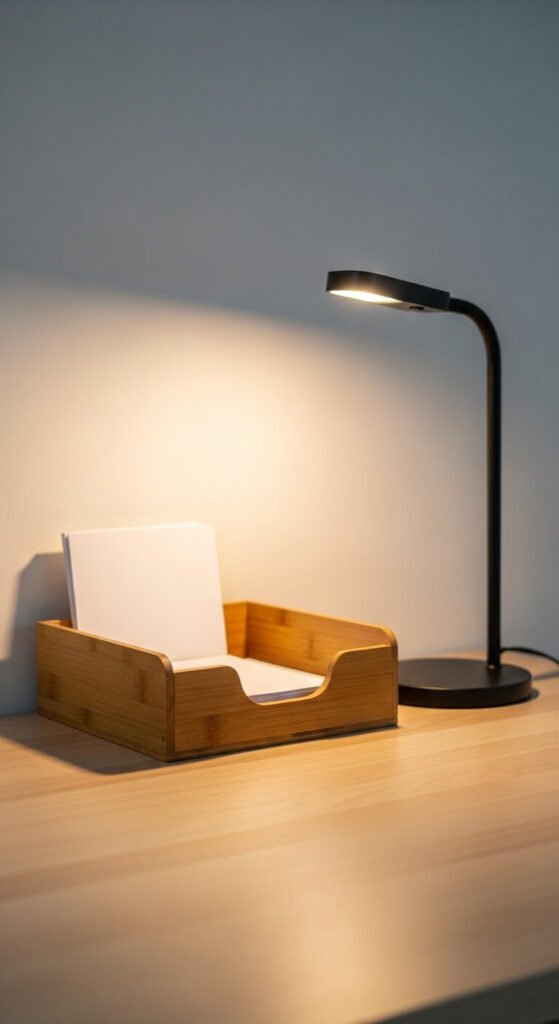
Papers multiply like rabbits when they land randomly across your desk. Magazines here, bills there, notes everywhere.
Buy one letter tray or decorative box. Place it in the same spot every single day. Train yourself to drop all incoming papers there immediately.
Set a weekly appointment to sort through this inbox. File what matters, scan what you need digitally, and recycle the rest. The system only works if you maintain it.
Budget hack: Repurpose a shoebox covered in contact paper or wrapping paper. It costs nothing and looks surprisingly polished.
Keep Only This Week’s Essentials on Your Desk

Every item on your desk competes for your attention. Visual clutter creates mental clutter.
Look at your desk right now. What haven’t you touched in three days? Move it.
Keep only what serves your current projects. Active files, today’s notebook, and tools you grab hourly earn desk space. Everything else goes in drawers or shelves.
Rotate items as projects change. This approach keeps your workspace fresh and relevant. You’ll spend less time hunting for buried items and more time actually working.
Use Drawer Dividers for Small Supplies
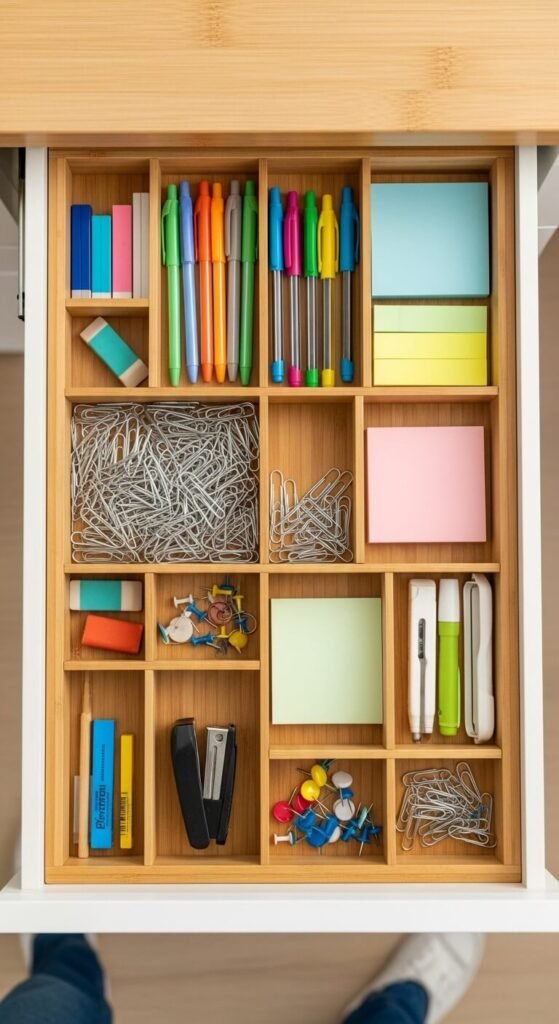
Junk drawers waste your time. You dig through chaos hunting for one specific pen while deadlines tick away.
Buy inexpensive drawer organizers or make your own from small boxes. Cereal boxes cut to size work perfectly.
Group similar items together. All pens in one section, all clips in another. Sticky notes get their own home. This simple step cuts search time from minutes to seconds.
Clean out your drawers once per season. Dried-up markers and mystery keys don’t deserve valuable real estate.
Position Your Monitor at Eye Level
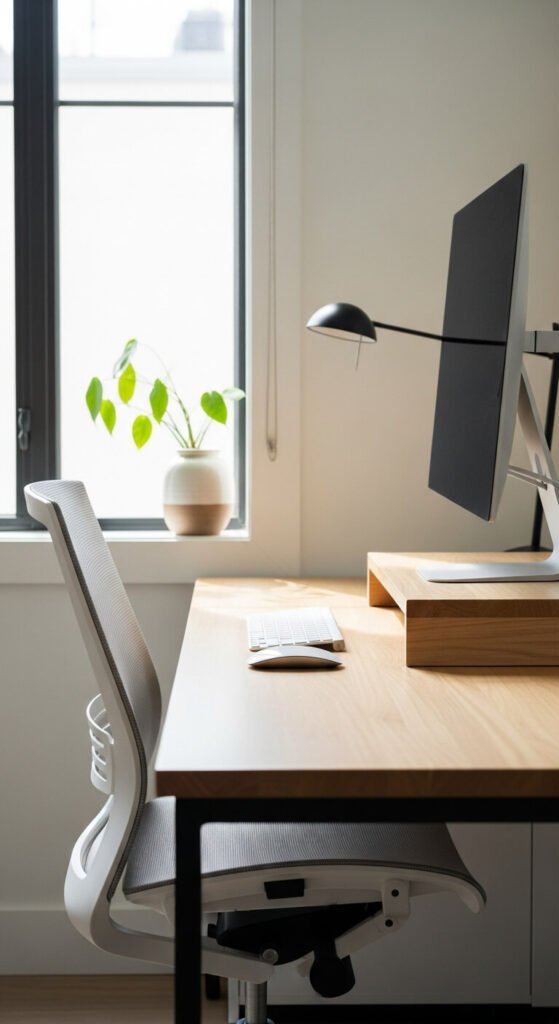
Neck pain and headaches often trace back to poor monitor placement. Looking down all day strains your body.
Your screen’s top should align with your eye level when sitting upright. Buy a monitor stand or build one from sturdy books.
Free solution: Stack old textbooks or shoeboxes until the height feels right. Cover them with decorative paper if aesthetics matter to you.
This small adjustment reduces physical strain significantly. Your future self will thank you when you’re not rubbing your neck at 3 PM daily.
Implement a Color-Coded Filing System
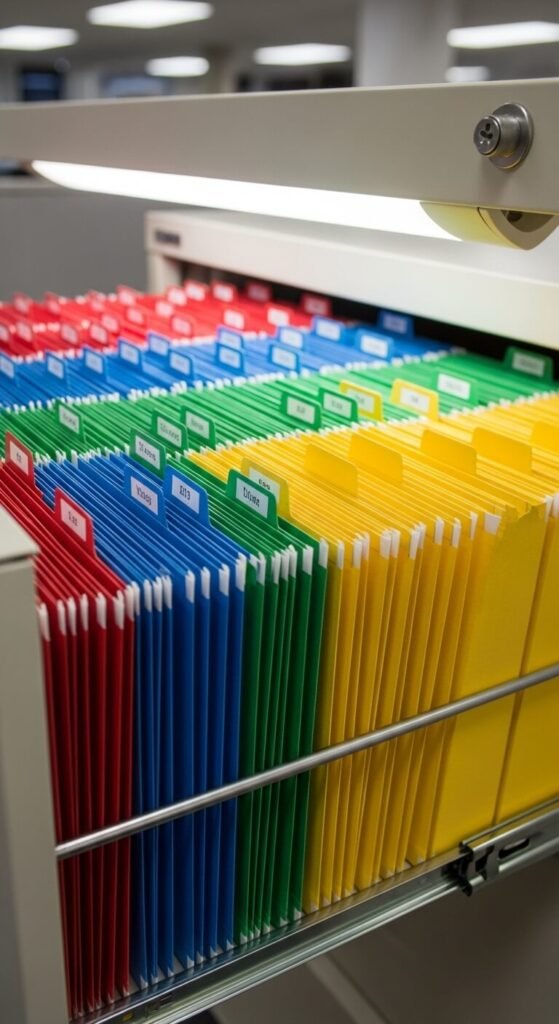
Gray folders blend together into visual soup. Your brain processes colors faster than written labels.
Assign colors to categories. Blue for financial documents, green for client files, red for urgent items. Hit the dollar store for colored folders or use stickers on manila ones.
Your retrieval speed doubles when you can spot the right folder instantly. This method helps even when you’re tired or distracted.
Label folders clearly within each color group. Colors provide the broad category while labels handle specifics.
Set Up a Daily Reset Routine
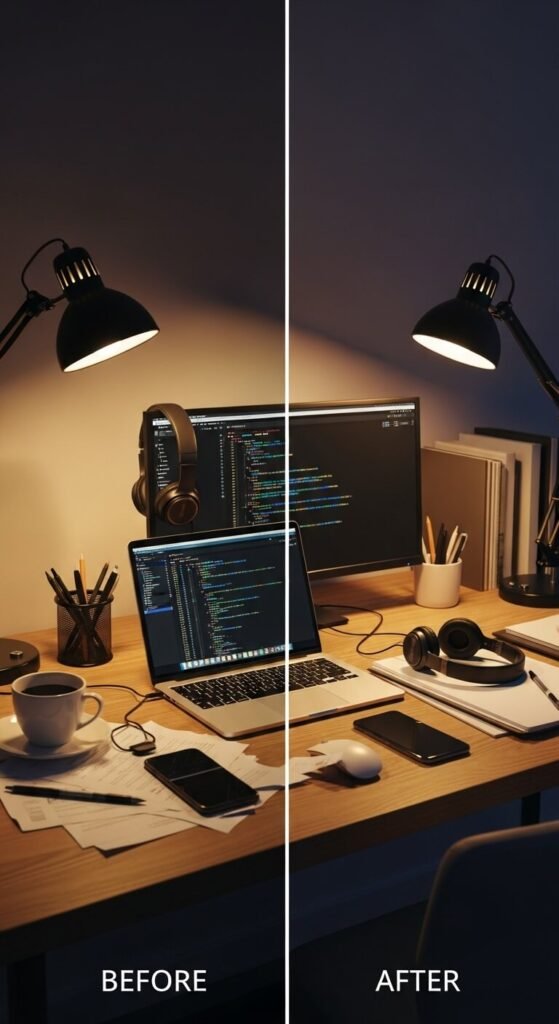
Mornings feel harder when yesterday’s mess greets you. Starting clean sets a better tone.
Spend five minutes at day’s end returning items to their homes. Toss trash, file papers, and wipe your desk surface.
This tiny habit prevents buildup. Five minutes daily beats two hours monthly scrubbing away accumulated grime and clutter.
Play a favorite song during cleanup. When it ends, you’re done. This creates a pleasant ritual instead of a dreaded chore.
Store Frequently Used Items Within Arm’s Reach
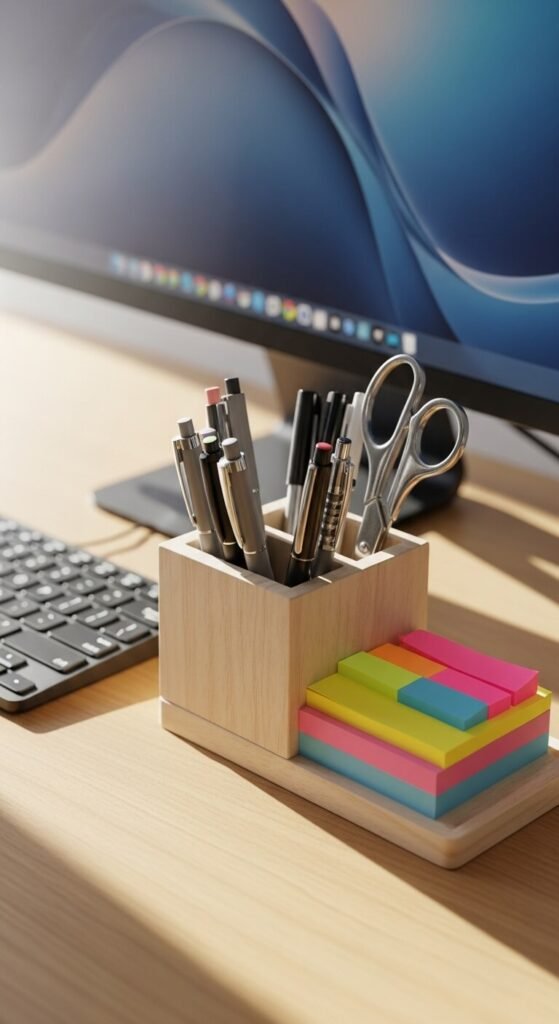
Standing up repeatedly breaks your flow. Each interruption costs you focus and momentum.
Map your typical workday. What do you grab most often? Pens, stapler, phone charger, notebook?
Position these items in your immediate zone. Use desk organizers, small cups, or magnetic strips to keep them accessible without taking up excessive space.
Less-used items go in drawers or on shelves. This tiered system respects both accessibility and minimalism.
Digitize Papers You Don’t Need Physically
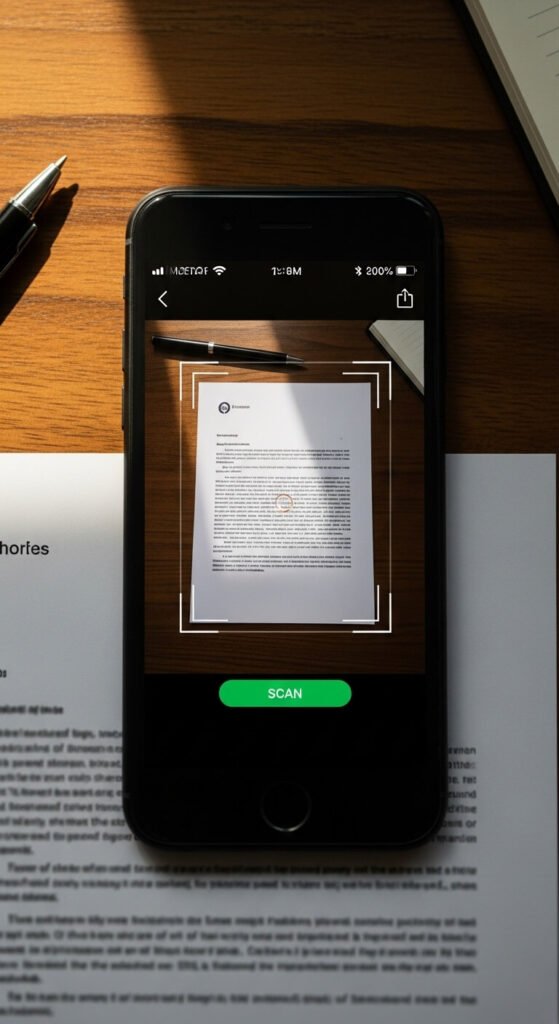
Paper filing systems eat space and collect dust. Most documents exist somewhere online already.
Download a free scanning app on your phone. Scan receipts, contracts, and reference materials. Save them in organized cloud folders.
Shred or recycle originals unless legally required to keep them. A digital filing system follows you anywhere and never takes up physical space.
Back up important scans in two locations. Cloud storage plus an external drive protects against data loss.
Use Clear Containers for Visibility
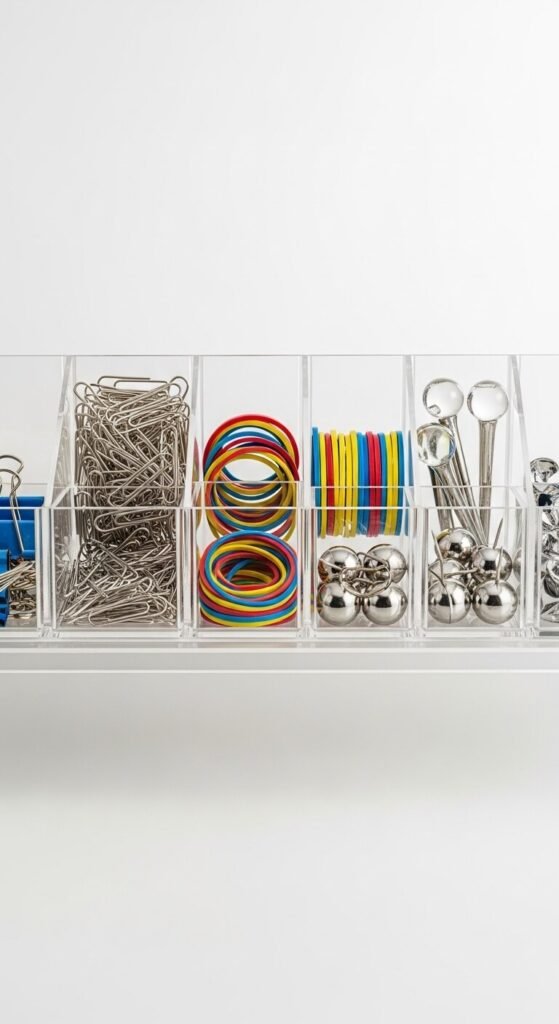
Opaque boxes hide their contents. You forget what you own and buy duplicates.
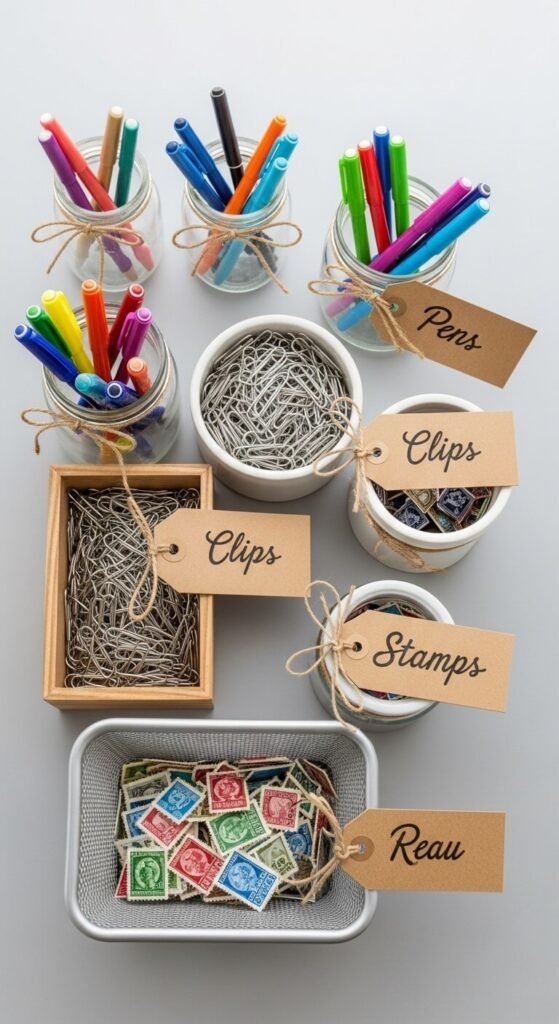
Glass jars, clear plastic bins, and acrylic organizers let you see everything at a glance. Save money by reusing food containers after thorough cleaning.
Group similar items in each container. Label the outside if contents aren’t obvious from every angle.
This visibility reduces both clutter and waste. You’ll use what you have instead of letting supplies expire in forgotten corners.
Create a Dedicated Charging Station
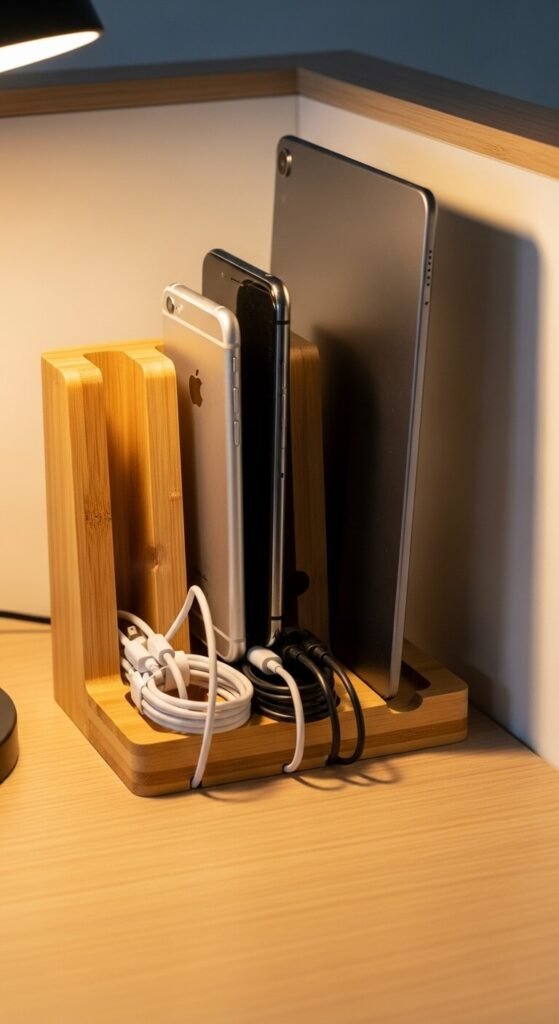
Devices scattered across your desk create visual noise. Charging cables snake everywhere and tangle constantly.
Designate one spot as your charging hub. A small basket, wooden organizer, or DIY solution from a cereal box works fine.
Route all charging cables to this single location. Charge devices overnight in this spot so they’re ready each morning.
This containment strategy clears your workspace while keeping technology accessible and powered up.
Limit Decorative Items to Three Pieces
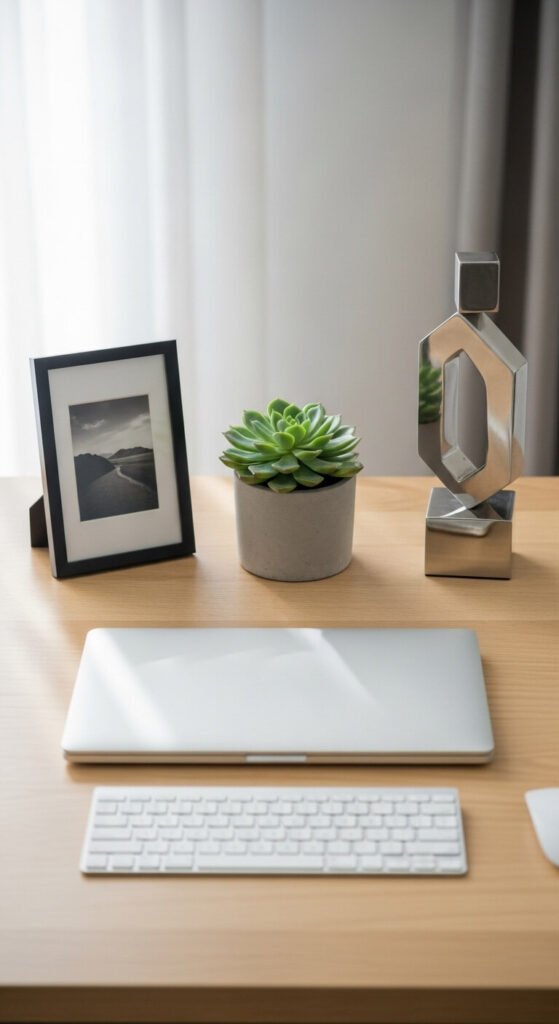
Personal touches make workspaces inviting. Too many create distraction and dust-catching clutter.
Choose three items that spark genuine joy or motivation. A favorite photo, inspiring quote, or small plant all work well.
Rotate decorations seasonally if you crave variety. Keep backup items stored away so your desk never becomes a gallery.
Quality beats quantity here. One meaningful item outweighs five random trinkets every time.
Use Tiered Desk Organizers
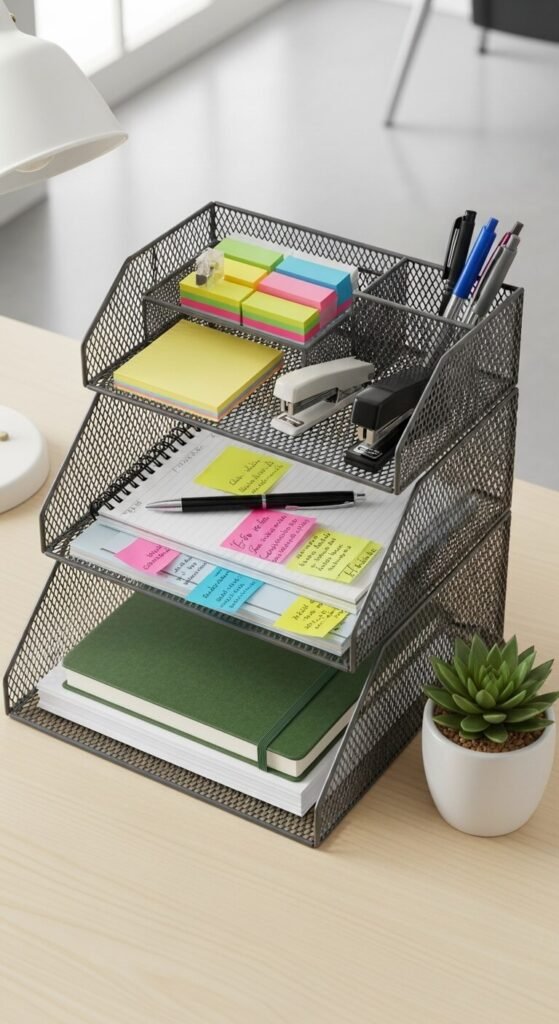
Flat surfaces fill up quickly. Vertical organization multiplies your usable space without expanding your desk footprint.
Tiered organizers from office supply stores cost $10-$20. They work great for papers you reference often but don’t want loose on your desk.
Sort by urgency or category. Top tier for today’s tasks, middle for this week, bottom for reference materials.
DIY alternative: Stack sturdy shoeboxes or magazine holders to create custom tiers at zero cost.
Establish a “Maybe” Box for Unclear Items

Some items fall into gray areas. You’re not sure if you’ll need them, so they linger indefinitely.
Get a box labeled “Review Monthly.” Drop questionable items inside instead of letting them clutter your desk.
At month’s end, examine the box contents. Anything unused gets donated or trashed. Items you needed move to permanent homes.
This system prevents both premature purging and endless clutter accumulation. It gives you data about what you actually use.
Keep Cleaning Supplies in Your Desk
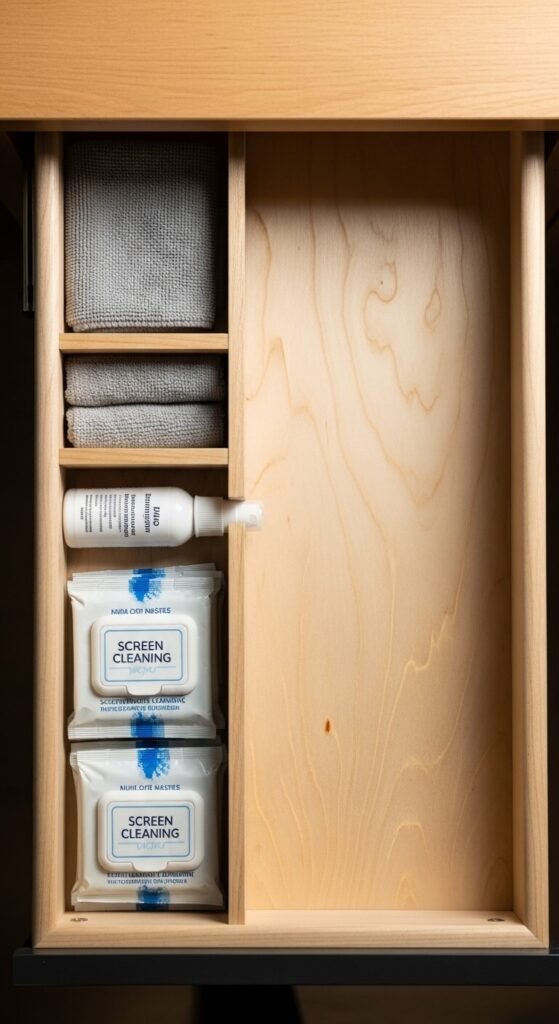
Dirty desks harbor germs and look unprofessional. But walking to fetch supplies means you skip cleaning altogether.
Dedicate one small drawer section to cleaning essentials. Microfiber cloth, screen wipes, and small disinfectant spray fit easily.
Wipe your desk during phone calls or while waiting for files to load. These micro-cleaning moments maintain freshness without dedicated time blocks.
Replace supplies every few months. Dried-out wipes and empty bottles don’t serve you.
Use Magnetic Strips for Metal Tools
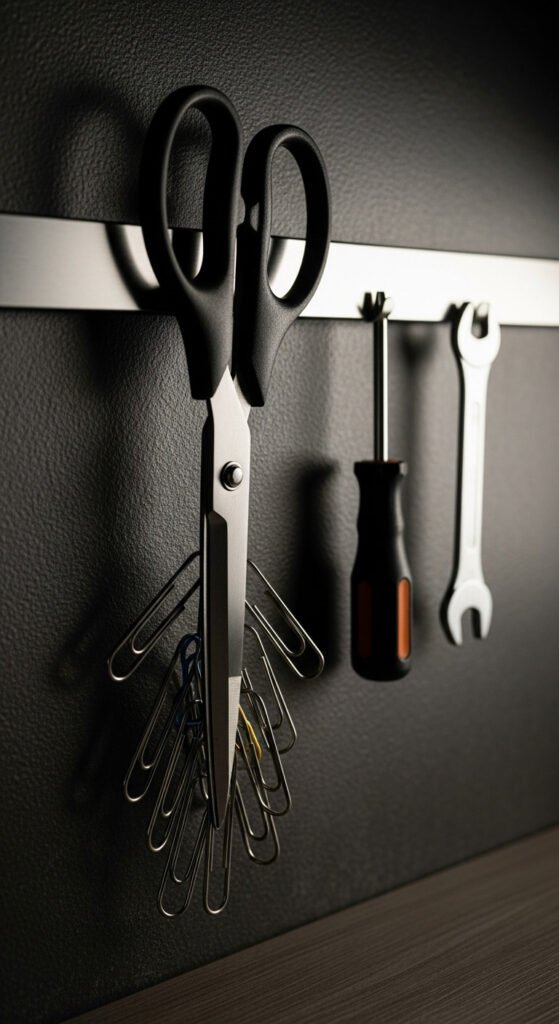
Small metal items disappear into desk chaos. Scissors, clips, and pins scatter everywhere.
Mount an inexpensive magnetic strip on your desk side or nearby wall. Kitchen knife strips work perfectly and cost under $10.
Your tools become instantly visible and accessible. No more digging through drawers for scissors you know you own.
This solution looks modern and clean while solving a genuine organizational challenge.
Schedule Weekly Purge Sessions
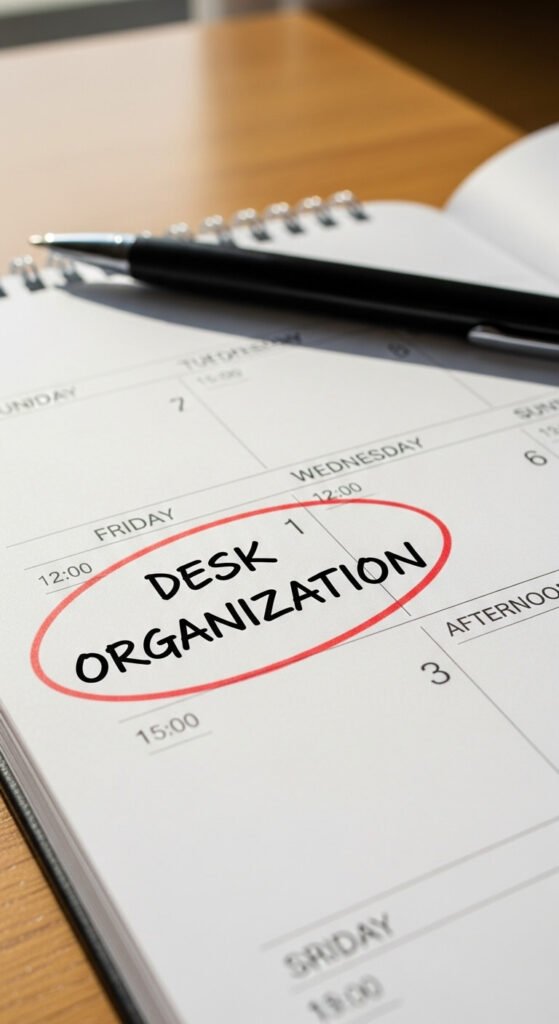
Clutter creeps back despite your best systems. Regular maintenance prevents overwhelming buildup.
Block 15 minutes every Friday afternoon. Make it the last task before your weekend starts.
Toss expired items, file loose papers, and return borrowed supplies. Empty your trash and recycling bins. Wipe surfaces clean.
This weekly appointment keeps your system functional. Miss it occasionally and you’re fine. Skip it for a month and chaos returns.
Label Everything You Can
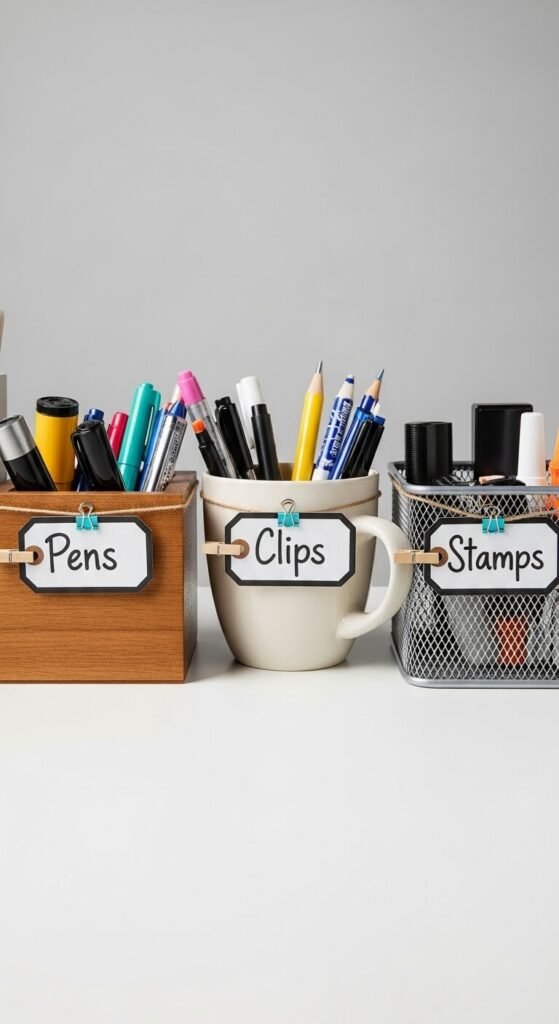
Memory fails when you’re stressed or tired. Labels eliminate guesswork and speed up retrieval.
Use a label maker if you own one. Masking tape and permanent marker work just as well for free.
Label drawers, bins, shelves, and containers. Include broad categories rather than exhaustive inventories.
Your future busy self will appreciate these visual cues. Labels also help colleagues or family members respect your organizational system.
Invest in a Quality Desk Lamp
Poor lighting causes eye strain and headaches. Natural light isn’t always available or sufficient.
Get an adjustable LED desk lamp with multiple brightness settings. Prices start around $15 for decent quality.
Position the light to eliminate screen glare and shadows on your work area. Adjust throughout the day as natural light changes.
Good lighting makes working feel easier. Your eyes relax and your mood improves in properly lit spaces.
Use the “One Touch” Rule for Papers

Touching the same paper repeatedly wastes time. Pick it up, wonder where it goes, set it down again. Repeat endlessly.
Handle each paper once. When it enters your space, make an immediate decision: file, scan, act on, or trash.
This rule feels hard initially but becomes automatic with practice. It prevents paper piles from forming in the first place.
Exception: Items requiring research or decisions go directly into your inbox tray for dedicated processing time. Don’t let them scatter randomly.
Create a Mobile Supply Caddy
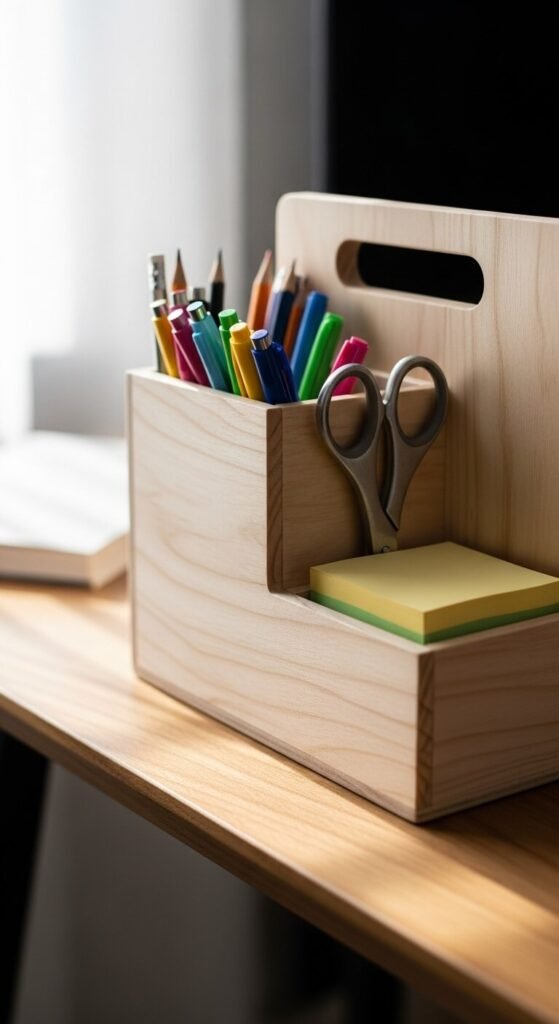
Sometimes you work at different spots: conference table, couch, kitchen counter. Gathering supplies each time frustrates you.
Fill a small basket or caddy with portable essentials. Pens, notepad, sticky notes, and basic tools all fit.
Carry this caddy wherever you work temporarily. Everything you need comes with you, eliminating setup friction.
Return it to your main desk at day’s end. This keeps both locations functional without duplicate supplies everywhere.
Position Your Trash Can Strategically
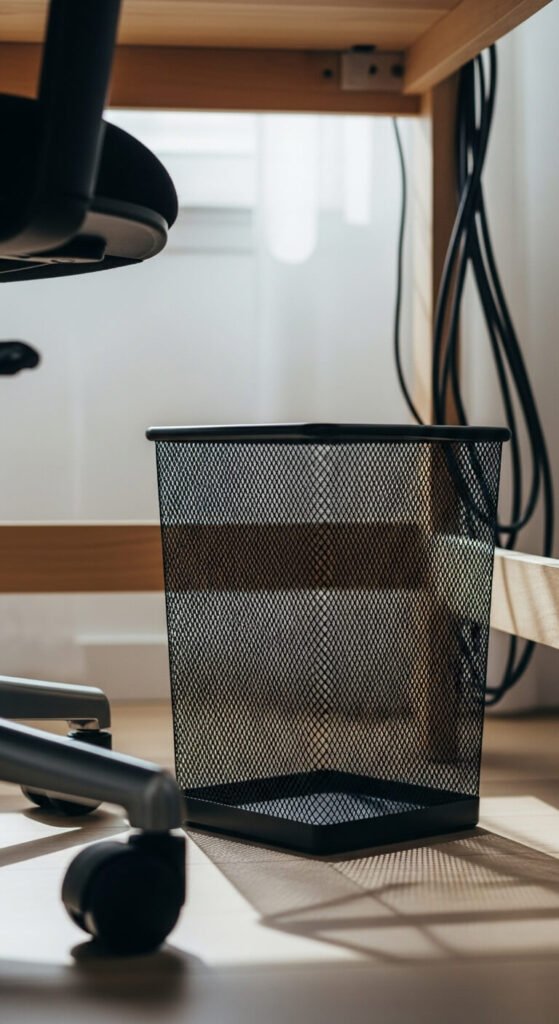
Distant trash cans encourage desk piles. Papers stack up because walking over feels like too much effort.
Place your bin within arm’s reach or one step away. Under your desk or directly beside it works perfectly.
Empty it regularly before overflow happens. A full trash can defeats the purpose and looks terrible.
Recycling matters: Add a second small bin for papers you’ll recycle. Sorting as you go beats dealing with mixed waste later.
Maintain an “Action” Folder

Tasks requiring follow-up get lost in general filing systems. They’re important but not immediate, so they disappear.
Create one brightly colored folder labeled “Action Items” or “This Week.” Keep it visible on your desk.
Place anything needing response, review, or action inside. Check this folder daily until items complete.
Move completed items to permanent filing. This folder should empty completely every week or two.
Use Drawer Labels on the Outside
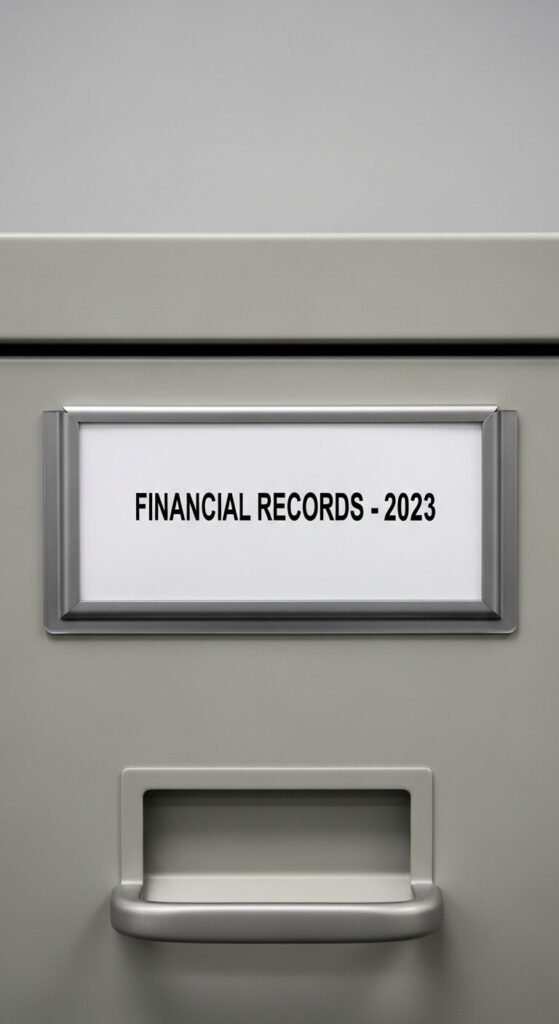
Opening every drawer to find items wastes time and energy. You lose focus with each unnecessary movement.
Attach small labels to drawer fronts indicating contents. “Office Supplies,” “Files A-M,” or “Tech Accessories” guide you instantly.
This external labeling system helps anyone using your workspace. Colleagues can locate items without interrupting you constantly.
Update labels when contents change. Outdated labels create more confusion than no labels at all.
Try the 80/20 Desk Rule
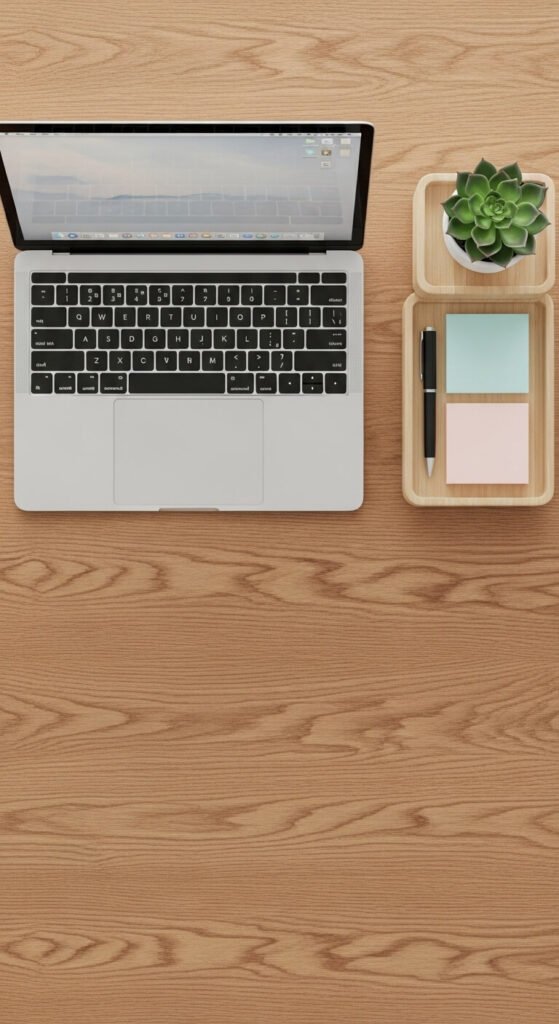
Empty space isn’t wasted space. It gives your eyes and mind room to breathe.
Keep 80% of your desk surface clear. Only 20% holds active work and essential tools.
This ratio looks clean and professional while remaining completely functional. You have room to spread out project materials when needed.
Adjust the ratio slightly based on your work style, but resist filling every inch. Visual breathing room improves focus measurably.
Conclusion
Your desk reflects how you work. A thoughtful organization system supports your productivity while reducing daily frustration. These tips don’t require perfection or expensive purchases. Start with three changes that address your biggest pain points. Maybe you tackle cable management today and add drawer dividers next week. Small improvements compound into major results. The goal isn’t Instagram-worthy perfection—it’s creating a workspace that helps you accomplish what matters. Pick one tip and implement it this afternoon. Your organized desk is waiting.