


Picture this: it’s 7 a.m., the baby is fussing, and you’re digging through a mountain of onesies trying to find something that actually fits. Sound familiar? Organizing baby clothes by size is one of the simplest things you can do to reclaim your mornings — and your sanity.
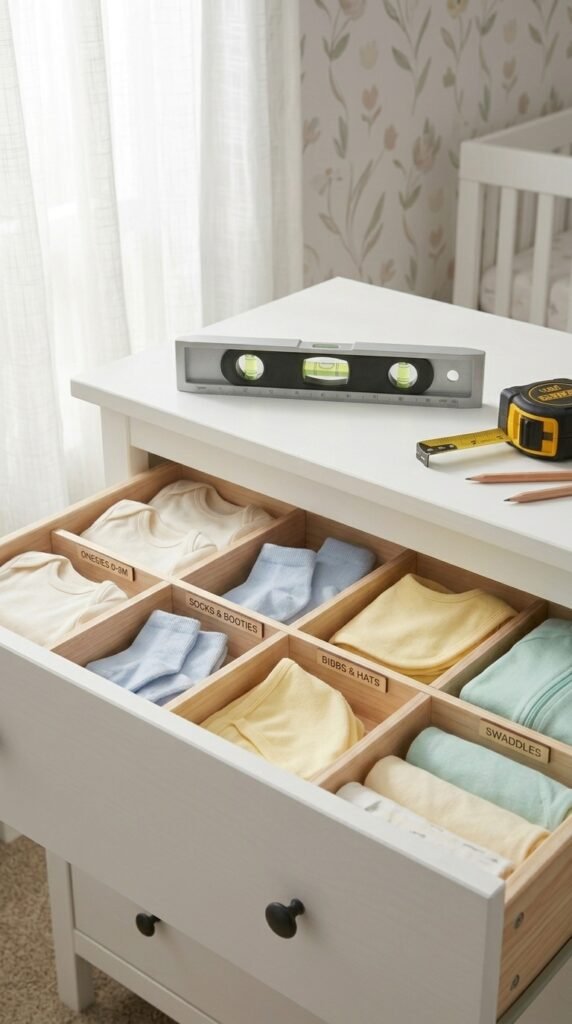
Whether you’re a first-time parent drowning in gifted newborn sets or a seasoned pro preparing for baby number two, this guide will walk you through exactly how to sort, store, and maintain a baby wardrobe that actually works for you.
Start with a Full Closet Audit
Before you organize anything, pull everything out. Yes, everything.
Lay all the clothes on a flat surface and sort them into piles by size label:
- Preemie / Newborn
- 0–3 months
- 3–6 months
- 6–9 months
- 9–12 months
- 12–18 months
- 18–24 months / 2T and beyond
As you sort, check each item for stains, missing snaps, or worn fabric. This is the perfect time to toss what’s truly unusable and donate anything your baby has already outgrown.
Pro tip: Baby clothing sizes vary wildly by brand. Always check the weight range on the tag, not just the size label.
Use the “Current, Next, Future” Storage System
This three-tier method is a game-changer for parents of fast-growing babies.
Current size — these live in the dresser or closet, easily accessible and ready to grab at any moment.
Next size up — store these in a labeled bin or basket on a nearby shelf. When your baby hits a growth spurt (they always do, usually overnight), you’re already prepared.
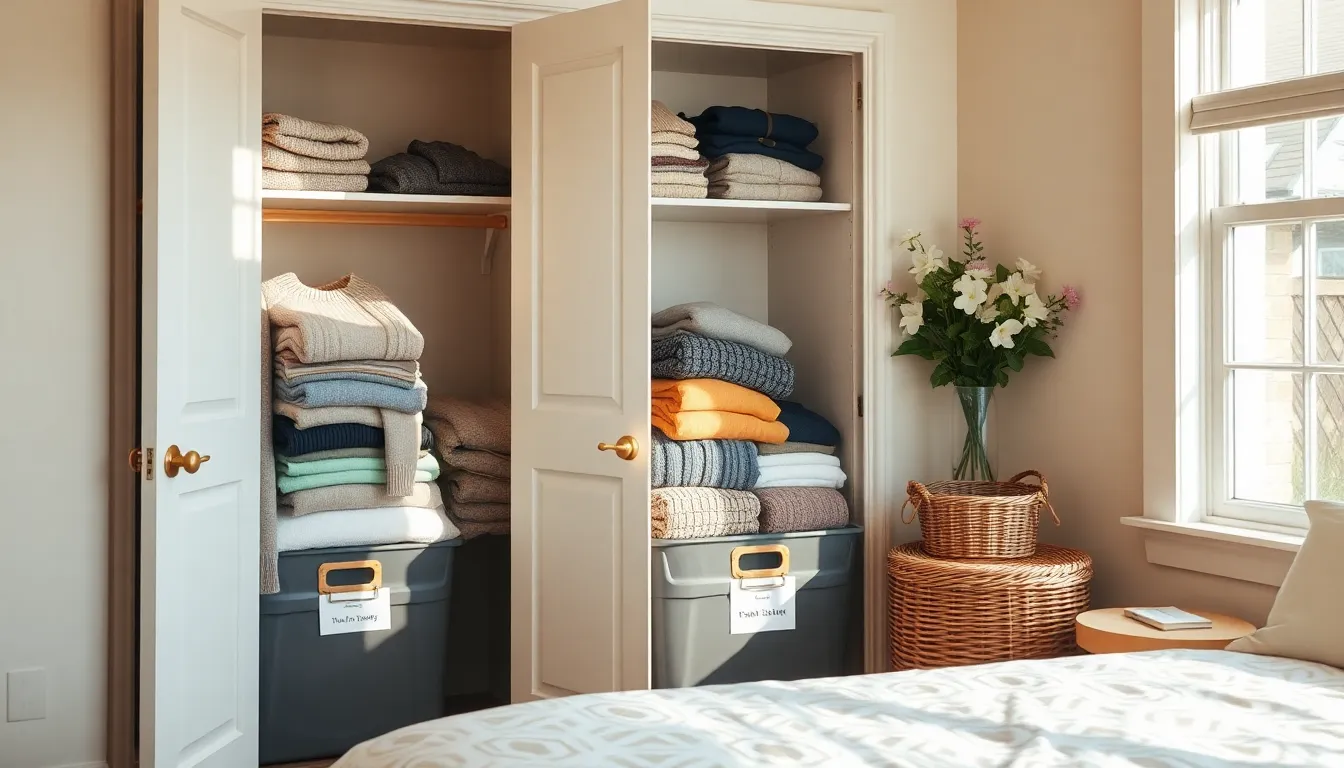
Future sizes — pack these away in vacuum storage bags or labeled plastic bins. Stack them in a closet, under the crib, or in storage. Add a sticky note with the size range on each bin so you can find what you need without opening everything.
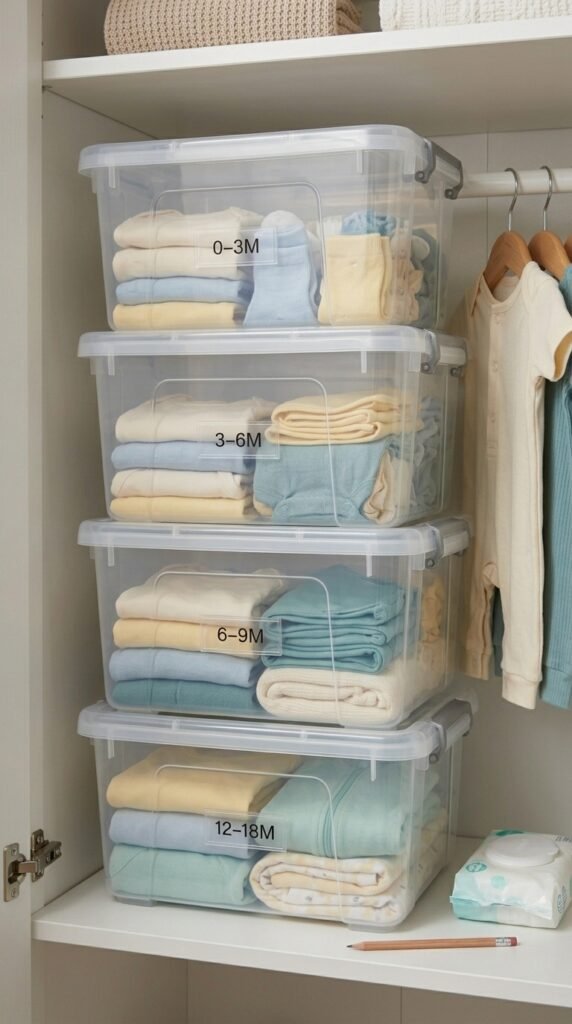
Label Everything (Seriously, Everything)
Labels are the backbone of any good baby clothes system. When you’re sleep-deprived and running on cold coffee, you don’t want to guess which bin holds the 9-month sleepers.
A few easy labeling options:
- Adhesive chalkboard labels — reusable and cute
- Iron-on labels for fabric bins
- Masking tape + marker — the no-fuss, works-right-now option
- Printed tags from a label maker for a polished look
Label not just the size, but also the season if you’re storing items long-term. “6–9M / Winter” saves a ton of confusion later.
Fold Smart and Stack by Category
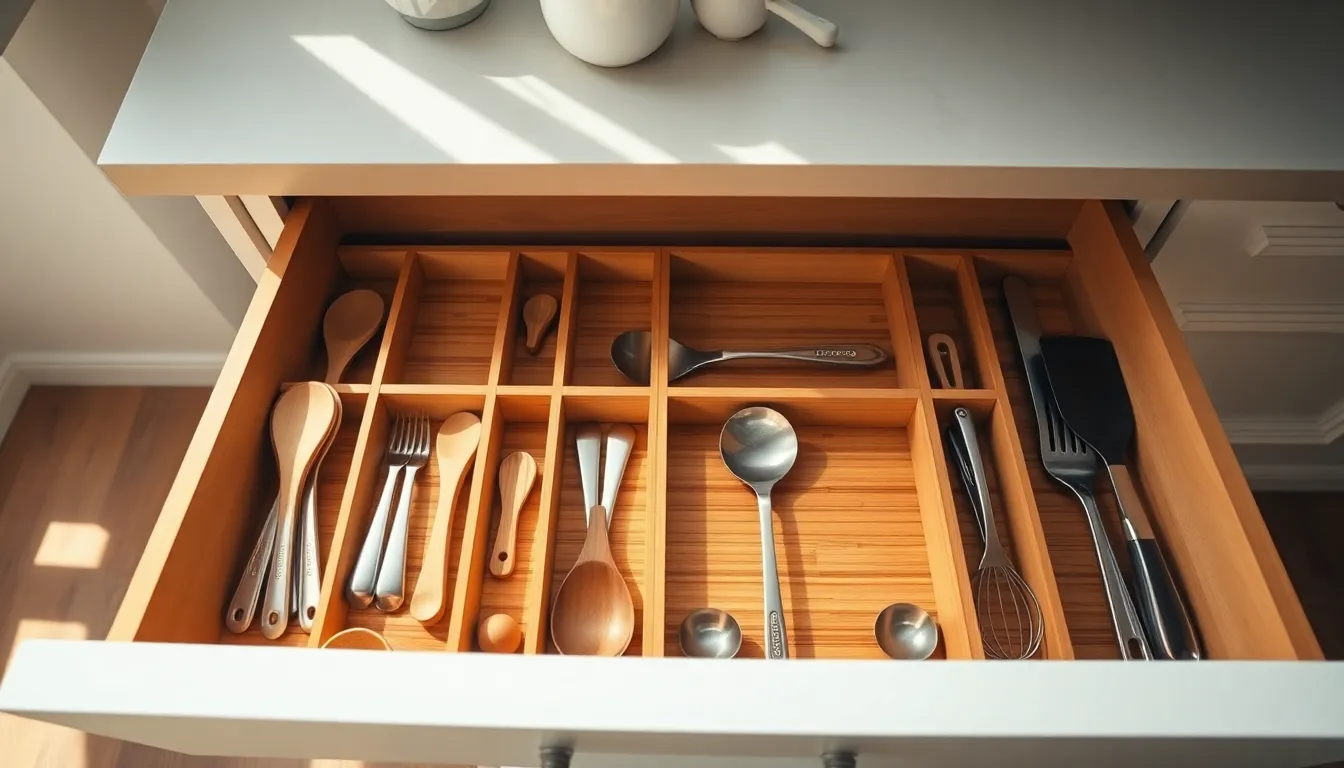
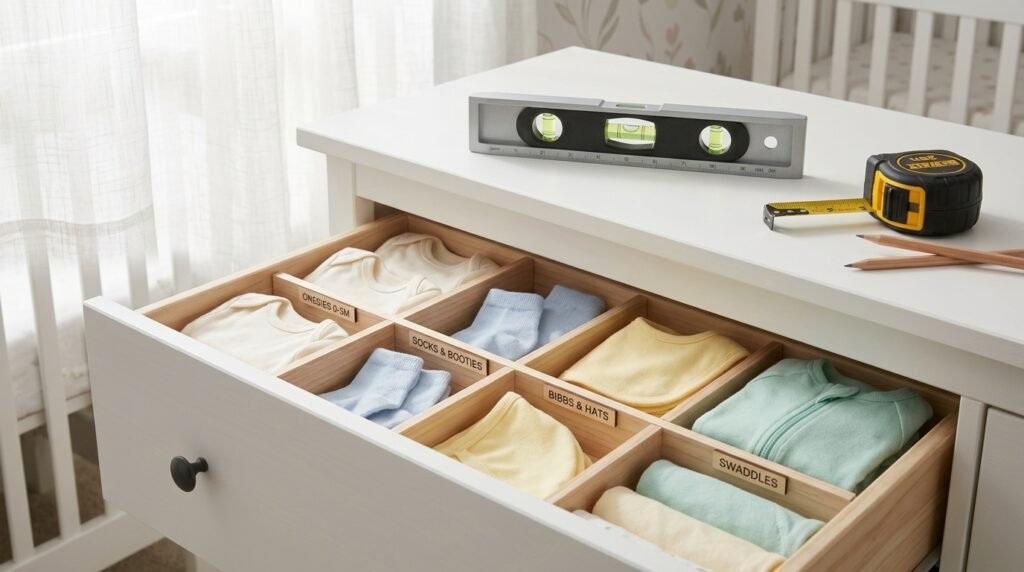
Once you know what’s current, fold everything using a method that lets you see each item at a glance. The file-fold method (standing clothes upright like files in a drawer) is perfect for baby clothes — tiny onesies take up barely any space this way.
Within the current-size drawer or section, organize by category:
- Onesies (short sleeve, long sleeve)
- Pants and leggings
- Sleepers and pajamas
- Outfits / special occasion
- Socks and accessories
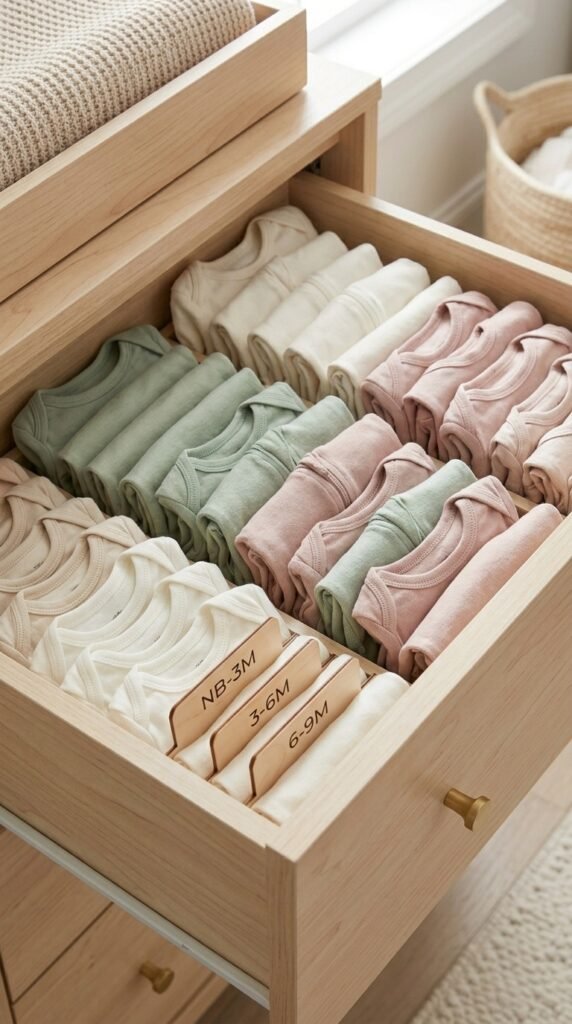
Keeping categories separate means you can grab a complete outfit in seconds, even one-handed while holding a squirming baby.
Do a Weekly “Size Check”
Babies grow so fast that a size can be outgrown before you even realize it. Set a quick weekly reminder — even just five minutes — to:
- Check if the current clothes still fit comfortably
- Move outgrown items into a “donate/store” pile immediately
- Pull a few pieces from the “next size” bin into the dresser
Doing this weekly prevents the dreaded moment when nothing fits and you’re caught completely off guard on a busy morning.
Set Up a “Donate Bag” Right in the Nursery
Keep a small basket or tote bag in the corner of the nursery specifically for outgrown clothes. The moment something is too small, it goes straight in — no extra trip required. When the bag is full, it’s ready to donate, pass along to a friend, or store for a future sibling.
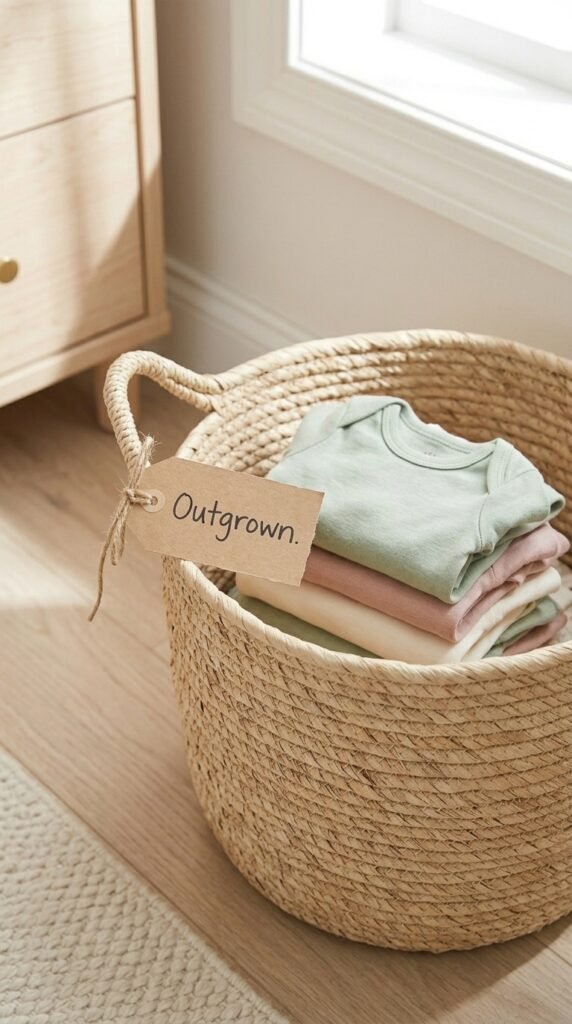
This single habit keeps clutter from building up and makes the whole system self-maintaining.
The Payoff: Calm Mornings Start the Night Before
Once your system is in place, take 60 seconds each evening to pick out the next day’s outfit and set it on top of the dresser. It sounds small, but this one habit eliminates the most stressful part of baby mornings entirely.
An organized baby wardrobe isn’t about perfection — it’s about building a system that works on the hard days too. With clothes sorted by size, labeled clearly, and easy to find, you’ll spend less time searching and more time enjoying those early morning snuggles.
Save this article for later and share it with a fellow parent who could use a little more calm in their mornings!