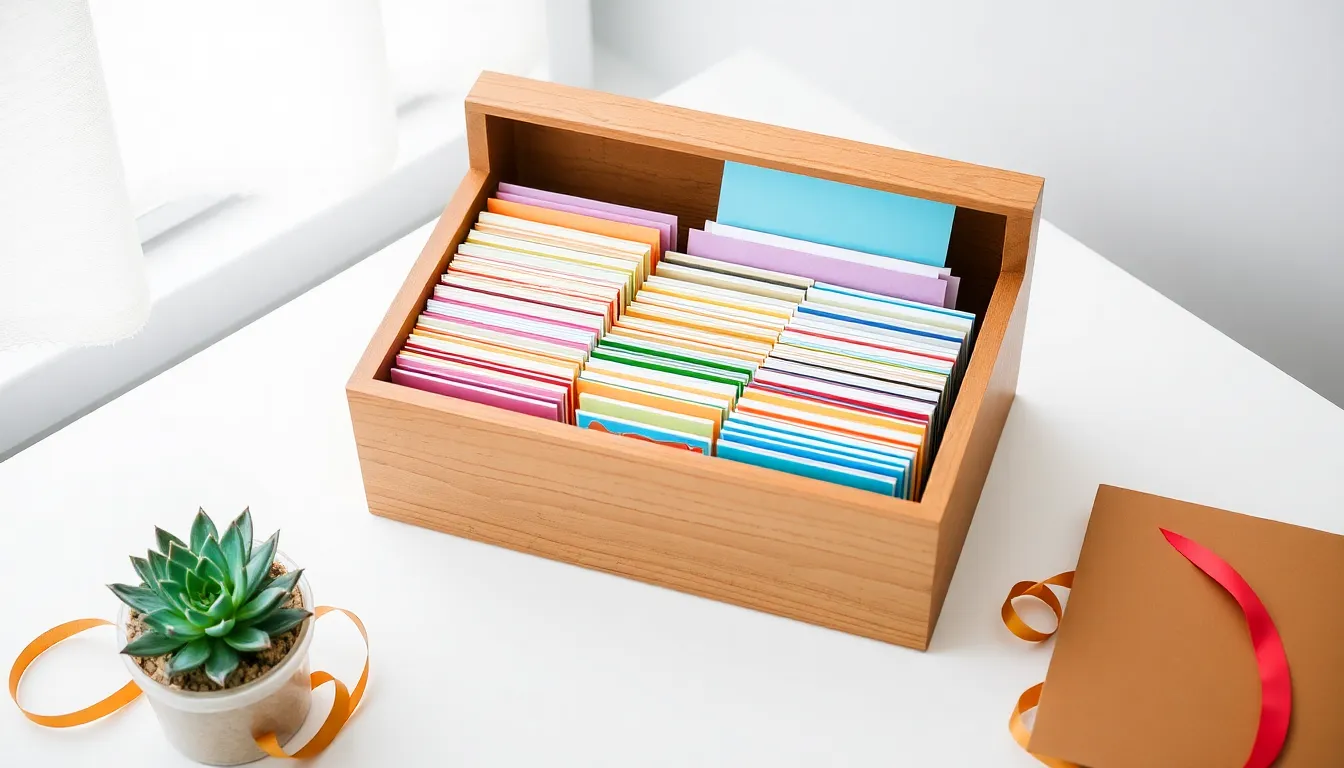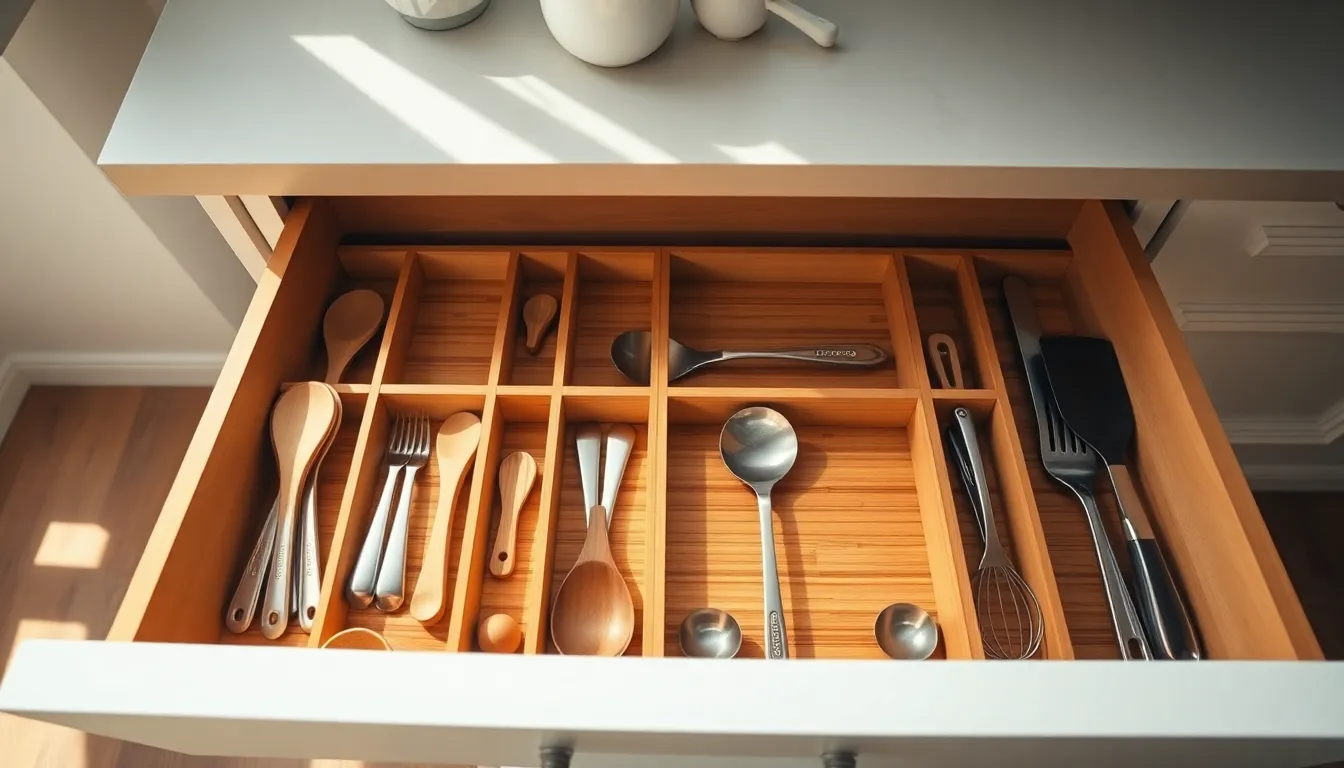
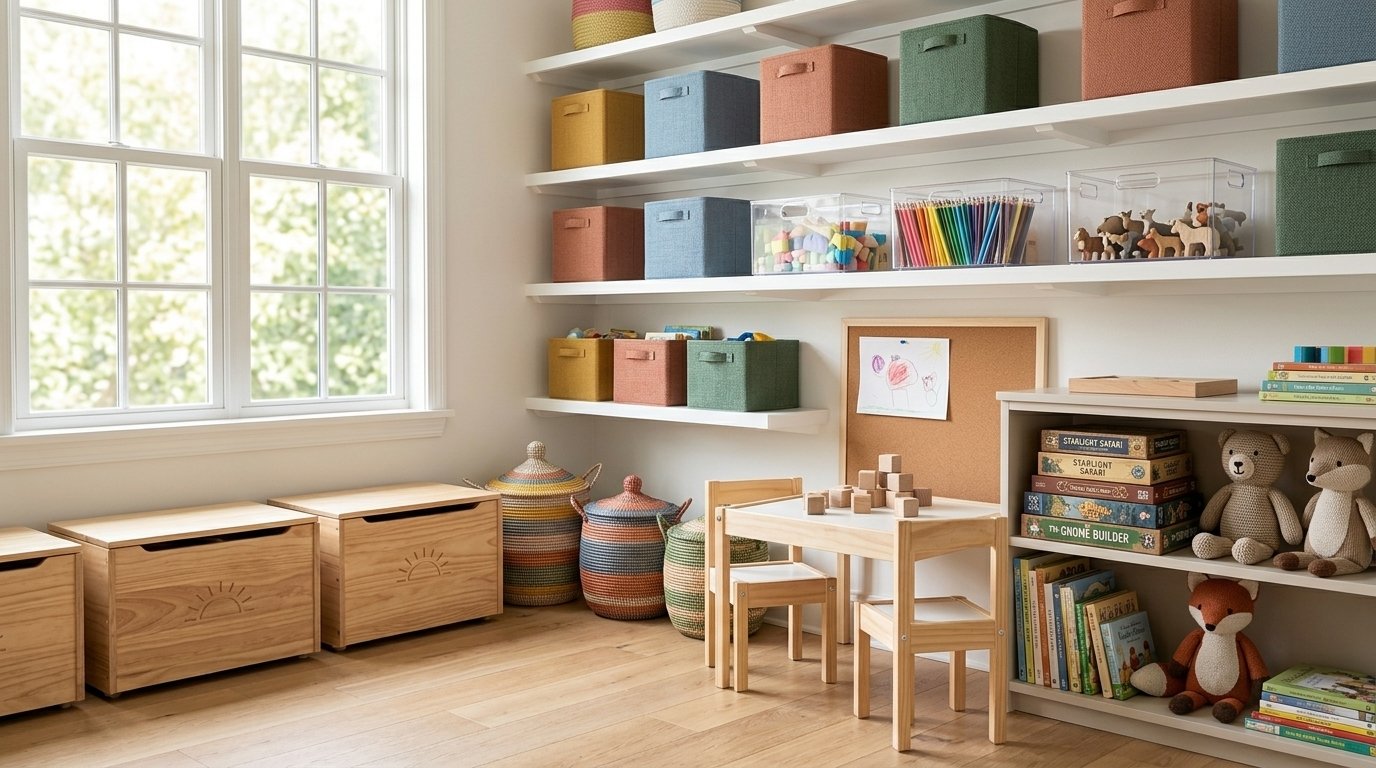


It’s supposed to be a fun Friday night. Instead, you’re 15 minutes in, someone is crying because a Monopoly piece is missing, the Jenga blocks are in three different boxes, and the Uno cards are suspiciously shuffled in with the Sorry! deck. Sound familiar? Board game chaos is real — and it quietly kills the vibe before the first card is even dealt. But here’s the thing: a little organization upfront means game night actually starts with laughter instead of a frantic search through a closet. Let’s fix this once and for all.
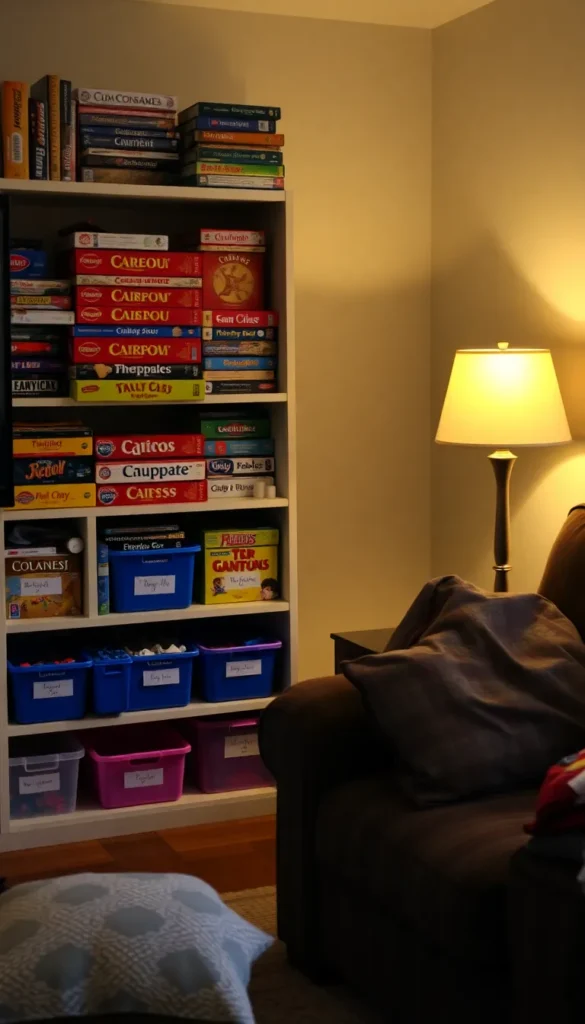
Start With a Full Game Audit
Before you organize anything, you need to know exactly what you’re working with. Pull every single game out of wherever it currently lives — the closet, under the bed, the top shelf of the garage — and make three piles:
- Play regularly: Games the family actually reaches for
- Rarely played: Worth keeping but not prime real estate
- Donate or toss: Incomplete games, ones nobody likes, or duplicates
Be honest during this step. A game missing 30% of its pieces isn’t coming back from that. Letting it go frees up space for the games your family genuinely loves.
Once you have your “keep” pile sorted, check every box for missing pieces. A quick inventory now saves enormous frustration later.
Tackle the Pieces Problem First
Loose pieces are the number one reason game night turns chaotic. Cards go everywhere, tiny tokens vanish into couch cushions, and dice roll under the refrigerator never to return.
The solution? Contain everything inside the box.
Here’s what works best:
- Small zip-lock bags: Sort pieces, tokens, and cards by type into labeled bags that stay inside the game box
- Silicone cupcake liners: Drop these into the box to create DIY compartments — no cutting required
- Small hinged containers: Great for games with lots of tiny parts like Catan or Ticket to Ride
- Rubber bands around card decks: Keeps them together without damaging the cards
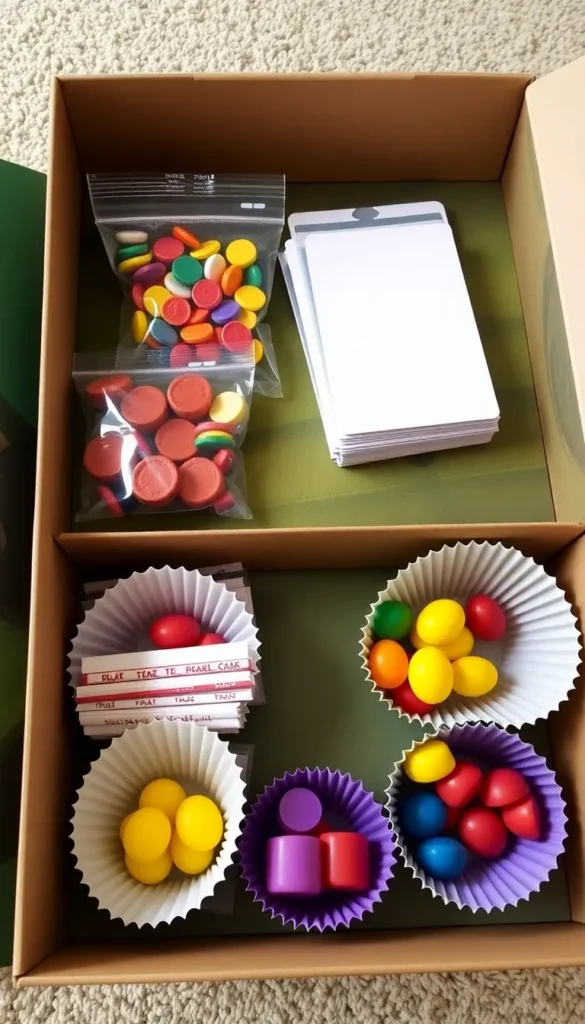
A few minutes of sorting now means every future game night starts with every piece exactly where it should be.
Choose the Right Storage System for Your Space
How you store your games matters just as much as how you organize the insides. The right setup depends on how many games you have and where you’re working with.
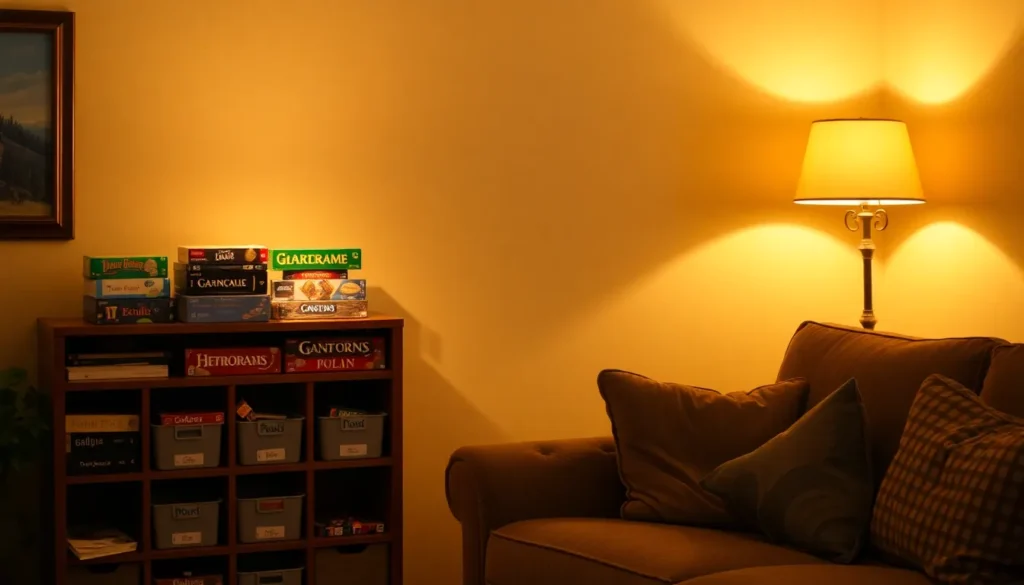
For a dedicated game shelf:
- Store boxes vertically (spine out) like books — it’s easier to read titles and pull out just the one you want
- Use bookends to keep tall or thin boxes upright
- Group games by player count or age range so the right game is always easy to find
For a cabinet or closet:
- Stack heavier, larger games on the bottom; lighter ones on top
- Add a small labeled bin on the shelf for overflow pieces, spare dice, and extra cards
For small spaces:
- Decant games into fabric bins or magazine holders to save shelf space
- Store game boards flat under a bed in a shallow lidded bin
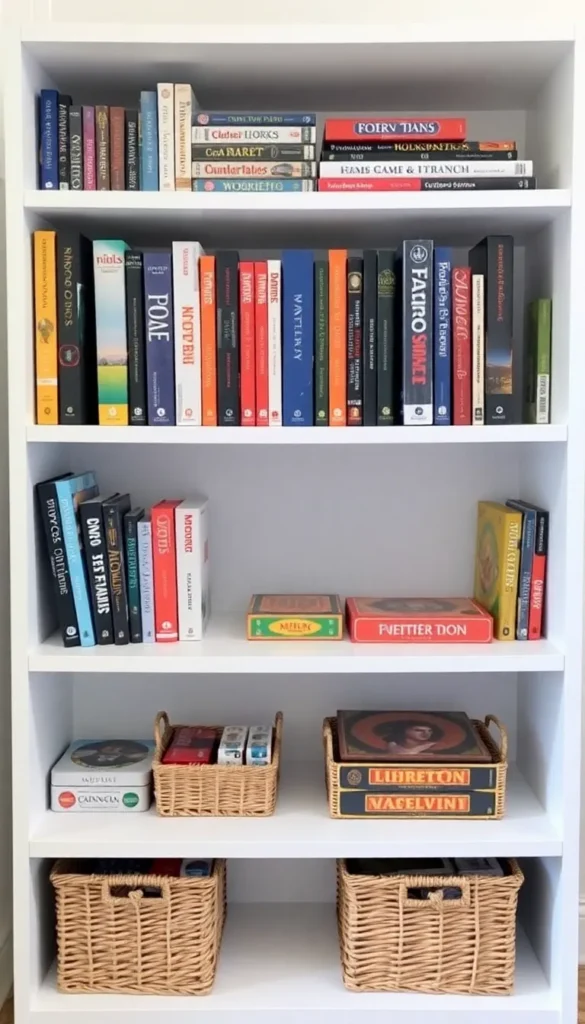
Whatever system you choose, the golden rule is: if it’s not easy to put back, it won’t stay organized.
Create a “Game Night Ready” Routine
Organization isn’t just about storage — it’s about the habit of maintaining it. Build a simple end-of-game routine the whole family can follow:
- Sort all pieces back into their bags before closing the box
- Count cards and confirm decks are complete
- Replace the box on the shelf spine-out in its designated spot
- Call out missing pieces immediately — it’s much easier to find a stray token when you’re still at the table
Make it part of the game itself. “Pack-up time” can be as much a family ritual as the game — especially if kids are involved and you turn it into a quick challenge.
Label Everything Like You Mean It
Labels are the quiet heroes of any organized system. When every game has a clear home and every bin is marked, anyone in the family can find and return things without asking.
Easy labeling ideas:
- Printed labels on shelf edges showing which game belongs where
- Age or player-count stickers on the spine of each box (great for quick game-night decisions)
- Color-coded dots to group games by category — family, strategy, party, kids
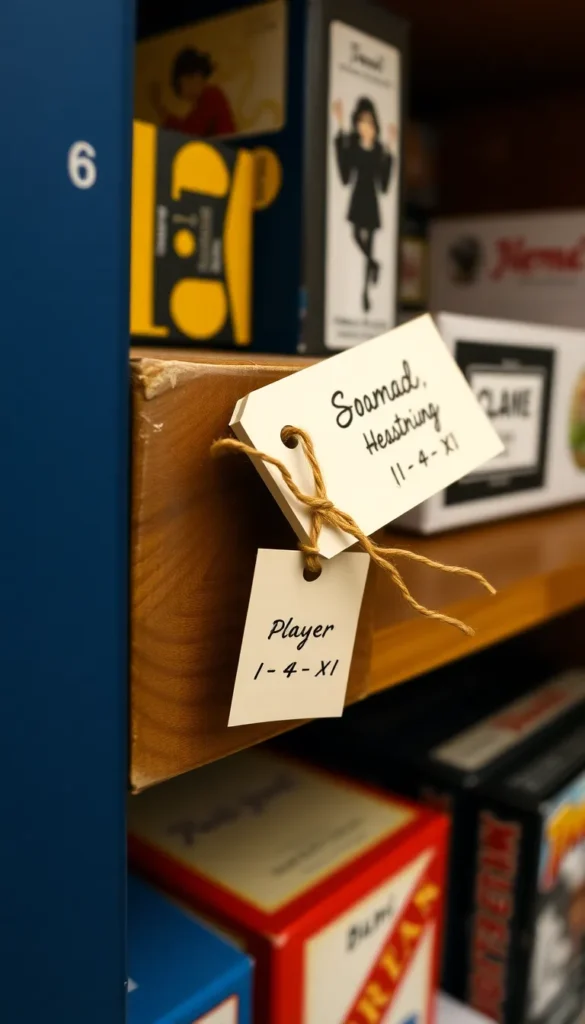
Even a simple masking tape label with a marker does the job. The point is that everything has a name and a place.
Game Night Should Be the Fun Part
Here’s the truth: the organizing part takes one afternoon. But the payoff is every single game night after that — no missing pieces, no mystery boxes, no frustration before the fun even begins. When your system is simple enough for the whole family to maintain, it actually stays organized.
Pick one tip from this list and start there. You don’t have to do it all at once.
Save this article to your home organization board and share it with the family who needs a game night glow-up — they’ll thank you by Friday! 🎲