




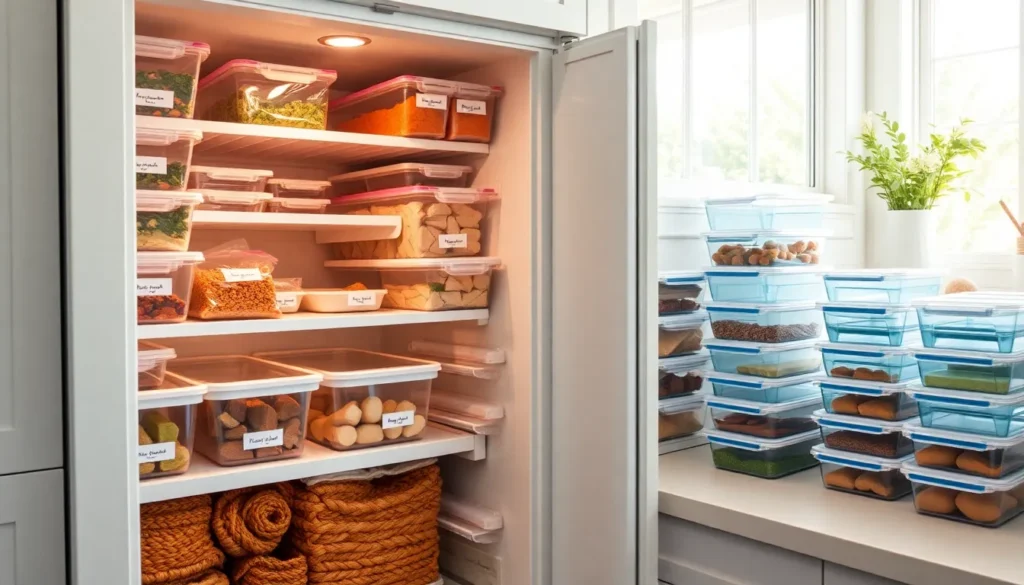
You open the freezer, something icy tumbles out, and you discover a mystery bag of “chicken?”— dated eight months ago. Sound familiar? A chaotic freezer doesn’t just cause stress; it silently drains your grocery budget. Studies show the average household throws away nearly $1,500 worth of food every year, and a disorganized freezer is one of the biggest culprits. The good news? A few smart strategies can transform your freezer into a money-saving machine — no label maker required (though one does help).
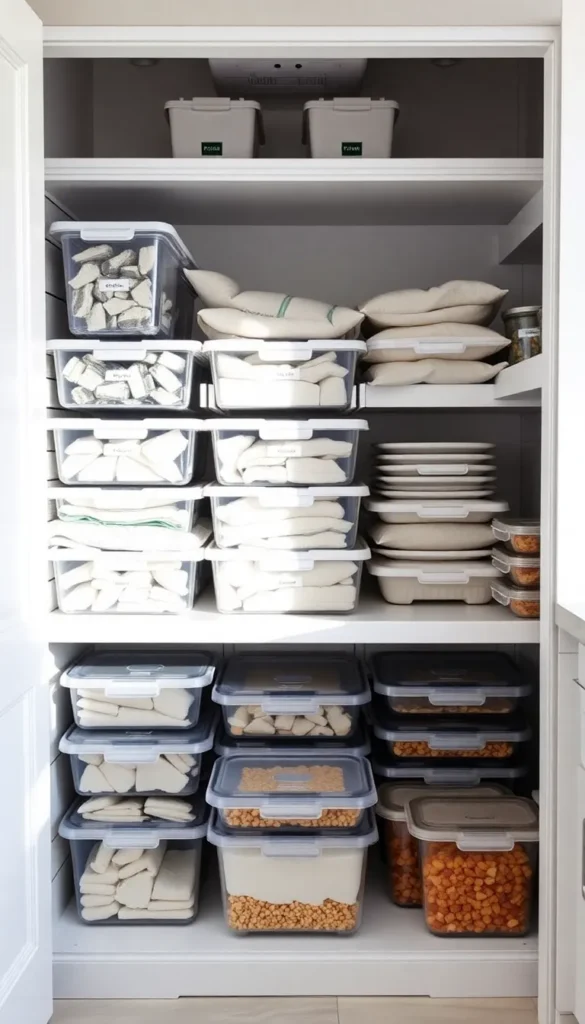
Start With a Full Freezer Audit
Before you can organize, you need to know what you’re working with. Pull everything out — yes, everything — and sort items into three piles:
- Keep: Still good, properly sealed, and identifiable
- Use soon: Approaching freezer burn or past its prime
- Toss: Unidentifiable, freezer-burned beyond saving, or years old
While everything is out, give the interior walls a quick wipe-down with a damp cloth. A clean slate makes organizing so much easier. This step alone often uncovers forgotten proteins, duplicate purchases, and the occasional bag of Halloween candy from two years ago.
Zone Your Freezer Like a Grocery Store
The secret to a freezer you’ll actually maintain? Dedicated zones. Think of it the way a grocery store is laid out — similar items grouped together so you always know where to look.
Here’s a simple zoning system that works for most households:
- Zone 1 – Proteins: Raw meats, seafood, poultry (store on the lowest shelf to prevent cross-contamination)
- Zone 2 – Ready-to-eat meals: Leftovers, batch-cooked soups, casseroles
- Zone 3 – Produce & fruit: Frozen vegetables, fruit for smoothies
- Zone 4 – Bread & grains: Tortillas, waffles, rice portions
- Zone 5 – Treats & extras: Ice cream, snacks, specialty items
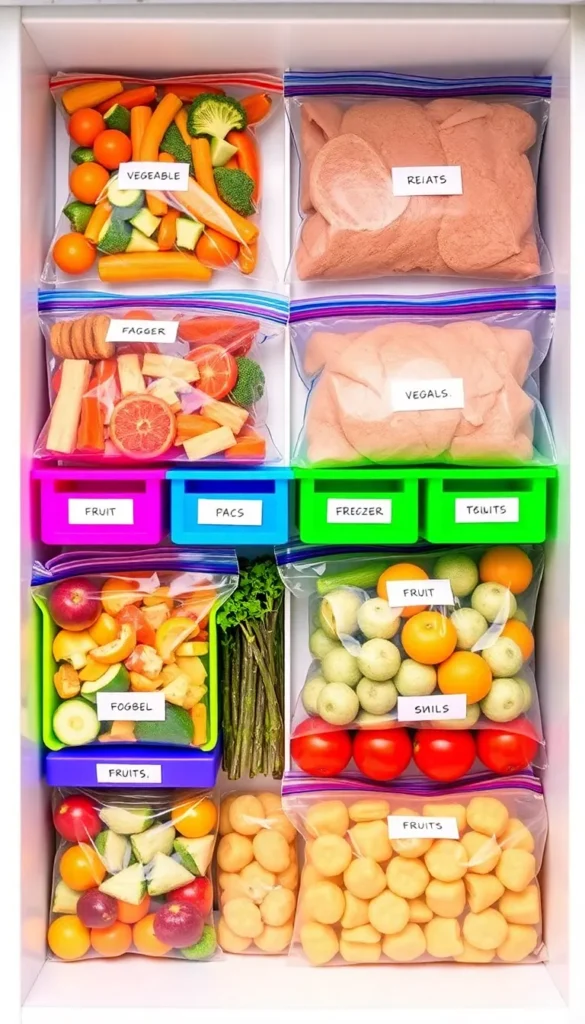
Use small bins or baskets inside the freezer to hold each zone in place. Dollar store bins work perfectly — you don’t need to spend a fortune to get organized.
Label Everything (Seriously, Everything)
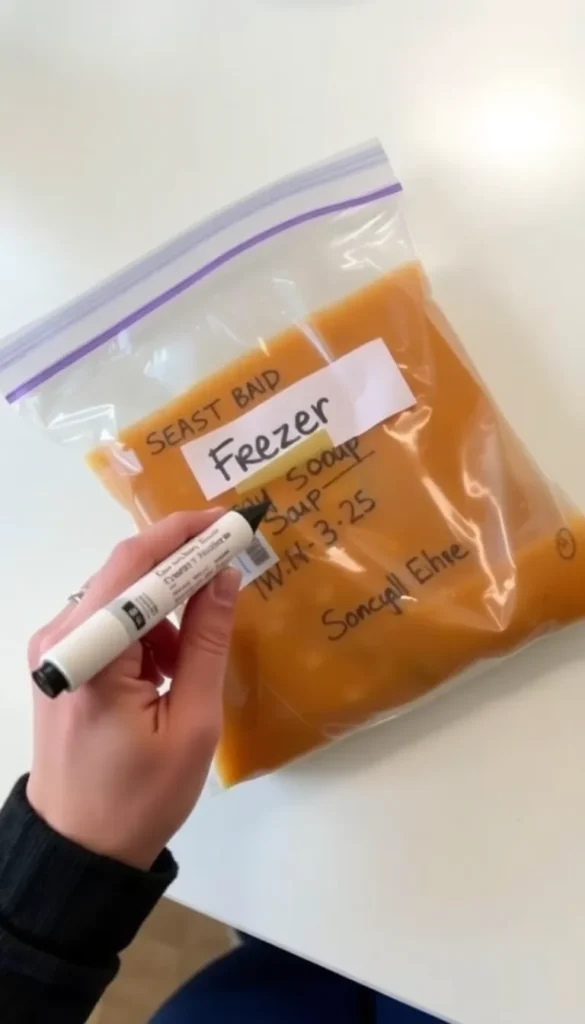
Frozen food has a cruel way of becoming unrecognizable. Ground beef, black bean soup, and brownie batter can all look identical once frozen solid. The fix is dead simple: label every single item before it goes in.
A good label includes:
- What it is (be specific — “chicken thighs” beats “chicken”)
- The date it was frozen
- Quantity or number of servings
Masking tape and a permanent marker are all you need. If you want to level up, use a chalk marker on reusable freezer containers. Keep a roll of tape and a marker right on top of the freezer so labeling becomes automatic.
Practice the FIFO Method to Kill Food Waste
FIFO stands for First In, First Out — the same system professional kitchens and grocery stores use. The idea: newer items go to the back, older items come to the front. That way, you naturally reach for the oldest food first and nothing gets buried and forgotten.
Every time you add something to the freezer:
- Pull existing items forward
- Place the newest item in the back
- Double-check dates on anything that’s been there a while
It takes an extra 30 seconds, but it’s the single most effective habit for cutting food waste.
Keep a Running Freezer Inventory
This might sound like extra work, but it’s actually a game-changer for your grocery budget. A simple freezer inventory — even just a sticky note on the fridge door — tells you exactly what you have before you go shopping.
No more buying another bag of peas when you already have three. No more “I forgot we had that” moments when a roast quietly expires in the back corner.
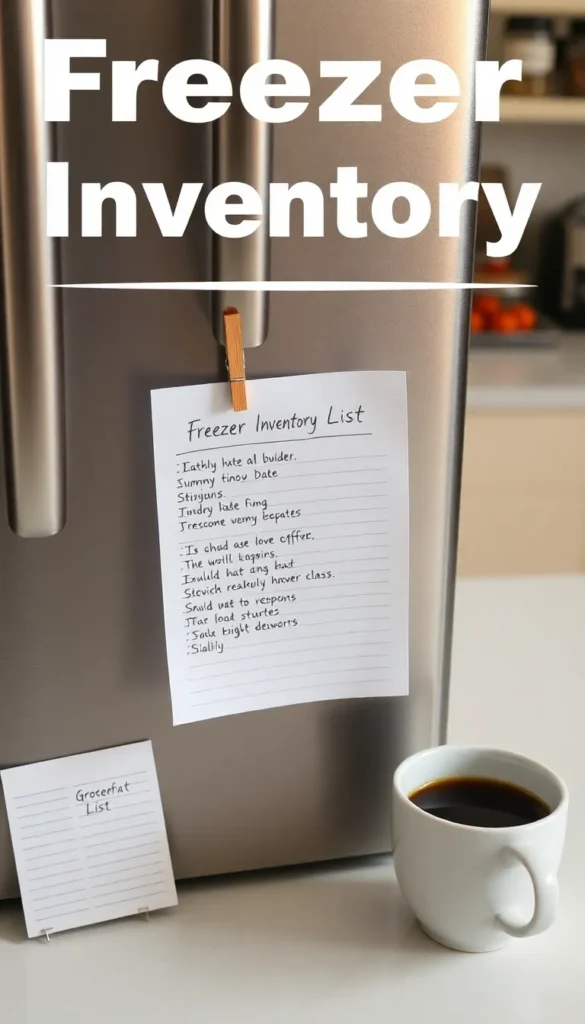
You can use a notes app, a whiteboard, or a printed template — whatever you’ll actually stick to. Update it when items go in and when they come out. It takes seconds and saves real money.
A Few Bonus Tips to Keep It Going
- Don’t over-stuff your freezer. Air needs to circulate to keep food properly frozen. Aim for about 75% full.
- Freeze in portions. Freeze meat and leftovers in meal-sized portions so you only thaw what you need.
- Blanch vegetables before freezing to preserve color, texture, and nutrients.
- Schedule a monthly freezer check — even 10 minutes keeps things from spiraling back into chaos.
Your Freezer Can Work For You
An organized freezer isn’t just about tidiness — it’s a legitimate money-saving tool. When you can see what you have, use it before it goes bad, and shop smarter as a result, those savings add up fast. Most people who implement these habits report cutting their grocery bill noticeably within just a few weeks.
Start small: do the audit this weekend, grab a few bins, and commit to labeling. You’ll be amazed at what’s been hiding in there — and how good it feels to finally have it under control.
Save this article for your next freezer clean-out day, and share it with someone whose freezer could use a little love! ❄️