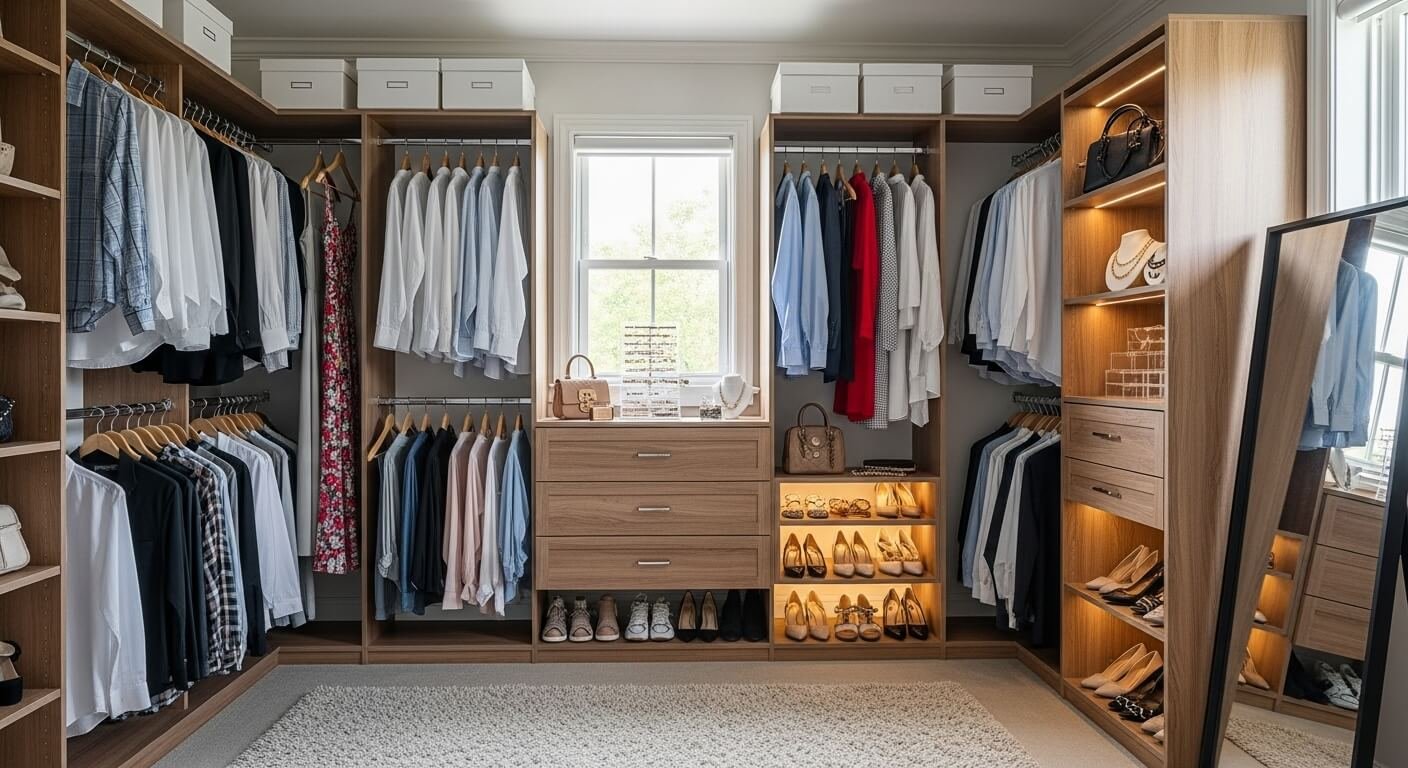

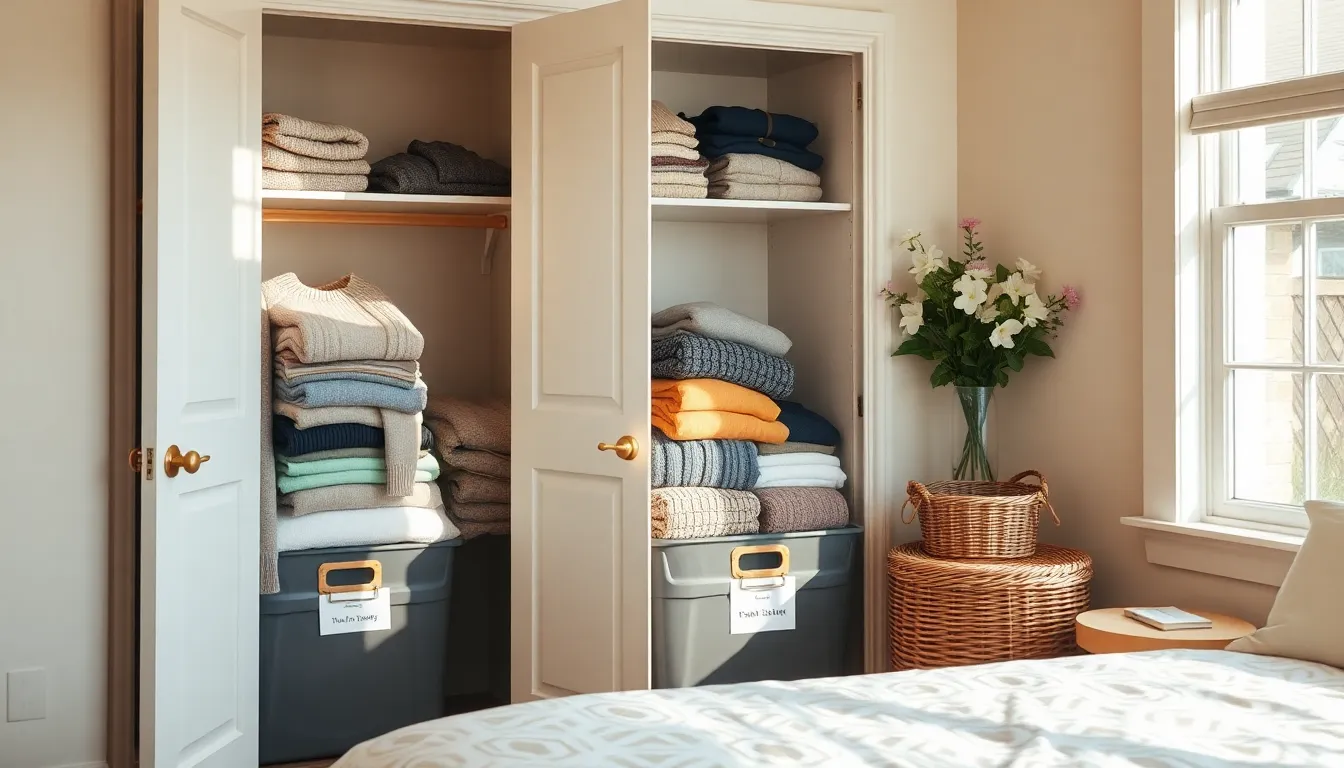



Imagine opening your closet and knowing exactly where everything is — no more pushing hangers aside hoping your favorite blazer magically appears, no more pulling out three wrong shirts before finding the right one. The secret to that kind of closet calm isn’t a massive renovation or an expensive organizational system. It’s something far simpler: closet dividers. These small, satisfying labels section off your hanging rod into clearly defined zones, and you can make them yourself in under an hour. Here’s everything you need to know.
Step 1: Decide What Categories You Actually Need
Before cutting a single piece of material, think through the categories that reflect your wardrobe — not a generic Pinterest template. The best divider system is one that maps to how you actually get dressed.
Common categories that work for most people:
- Tops (casual, work, going out)
- Bottoms (pants, jeans, skirts)
- Dresses
- Blazers & Jackets
- Cardigans & Sweaters
- Workout & Activewear
- Formal / Special Occasion
- Outerwear
You can go broader or narrower depending on your wardrobe size. A capsule wardrobe might need just four or five sections. A large shared closet might benefit from subcategories — or even color-coded dividers per person.
Write your categories down before moving on. This list becomes your label guide.
Step 2: Choose Your Divider Material
This is where you make the key creative decision: what will your dividers actually be made from? Each option has its own look, difficulty level, and cost.
Cardboard or chipboard — the easiest and most budget-friendly option:
- Cut from cereal boxes, shipping boxes, or purchased chipboard sheets
- Lightweight and easy to write or stamp on
- Best for low-humidity closets since moisture can warp them over time
Wooden rounds or craft wood — for a more polished, boutique feel:
- Precut wood circles or squares are available at craft stores for under a dollar each
- Can be stained, painted, or left natural
- Durable and genuinely attractive on display
Acrylic or plastic sheets — for a clean, modern look:
- Thin acrylic can be cut with a craft knife or scored and snapped
- Wipes clean easily and holds up long-term
- Slightly more effort but very professional-looking result
Leather or faux leather scraps — for a high-end feel:
- Punch a hole and stamp or engrave the label
- Pairs beautifully with wooden or velvet hangers
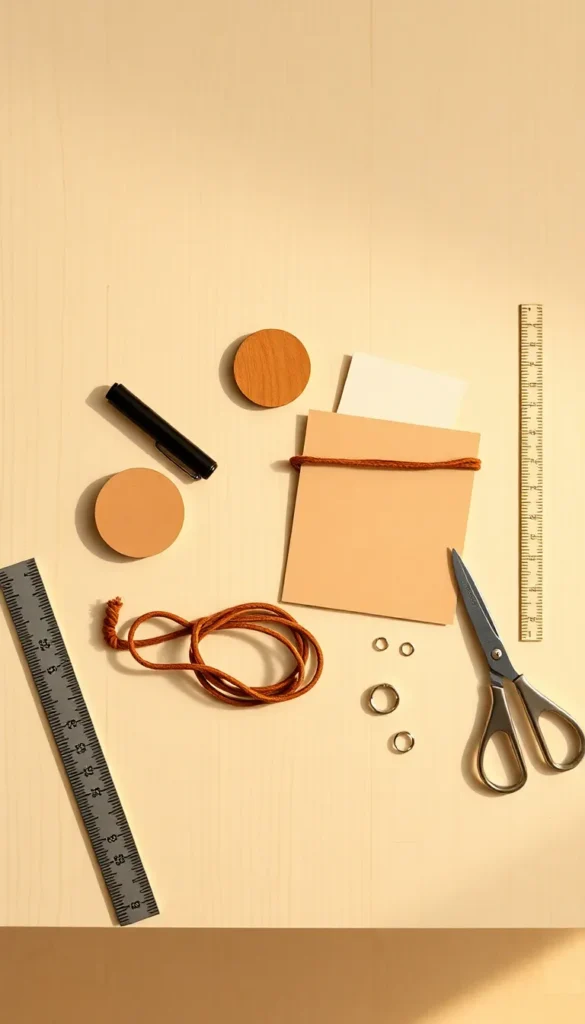
Step 3: Cut and Shape Your Dividers
Once you’ve chosen your material, it’s time to cut. The most practical shape for a closet divider is a circle or rounded rectangle with a notch cut into the top — this notch is what slides over and grips the closet rod.
Here’s how to get clean, consistent results:
- For cardboard: Use a compass or trace a round object (a mason jar lid works perfectly) and cut with sharp scissors or a craft knife. Cut your notch about ¾ of an inch wide and 1 inch deep — enough to slide over the rod without falling off.
- For wood rounds: Many precut craft wood circles already come in the right size. Simply drill or carve a notch at the top using a jigsaw, Dremel, or even a sharp chisel.
- For acrylic: Score with a craft knife and snap, then smooth edges with fine sandpaper. Cut the rod notch carefully with a craft knife and ruler.
Aim for dividers between 3 and 5 inches in diameter — large enough to read easily, small enough not to be visually overwhelming on the rod.
Step 4: Add Your Labels
This is the step that takes your dividers from functional to genuinely beautiful. How you add labels depends on your material and the aesthetic you’re going for.
Options for labeling:
- Paint pen or chalk marker — works on wood, cardboard, and even acrylic; great for handwritten lettering
- Vinyl lettering — cut with a Cricut or Silhouette for clean, professional-looking text
- Stamps and ink — perfect for cardboard or wood; create a cohesive set quickly
- Printed labels — design in Canva, print, and mod-podge onto your divider for a polished finish
- Engraving — if you have a Cricut Maker or laser engraver, this gives the most upscale result
Keep fonts simple and readable. You’re glancing at these quickly while getting dressed — clarity beats decorative complexity every time.
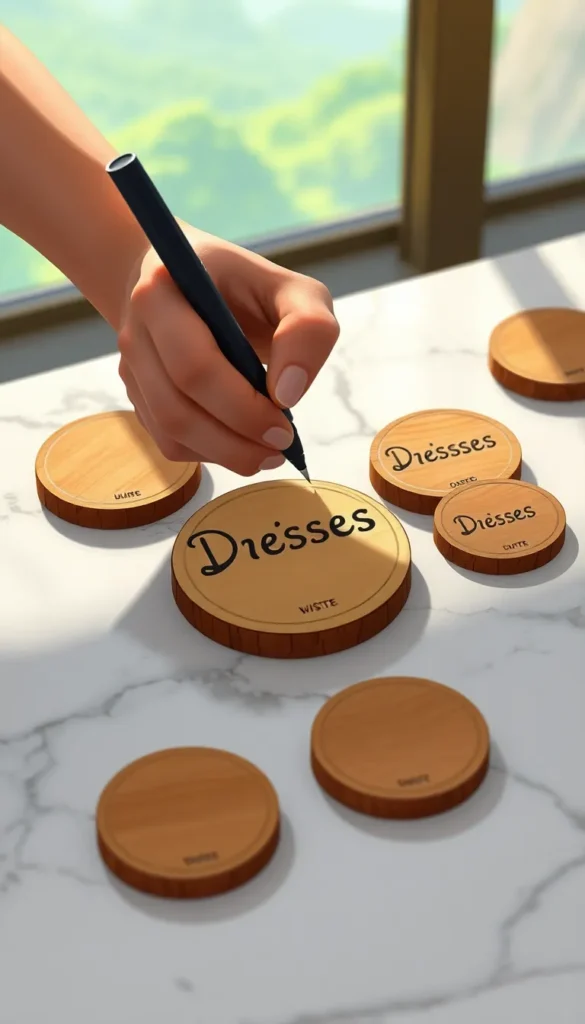
Step 5: Finish and Seal for Longevity
If you want your dividers to last for years rather than months, a protective finish makes a significant difference.
- For wood: Apply a coat of clear matte or satin varnish, Mod Podge, or clear wax
- For cardboard: A layer of Mod Podge seals the surface and prevents scuffing
- For painted designs: Always seal over paint to prevent chipping
Let everything dry completely — ideally 24 hours — before hanging them on your closet rod.
Step 6: Install and Style Your Closet
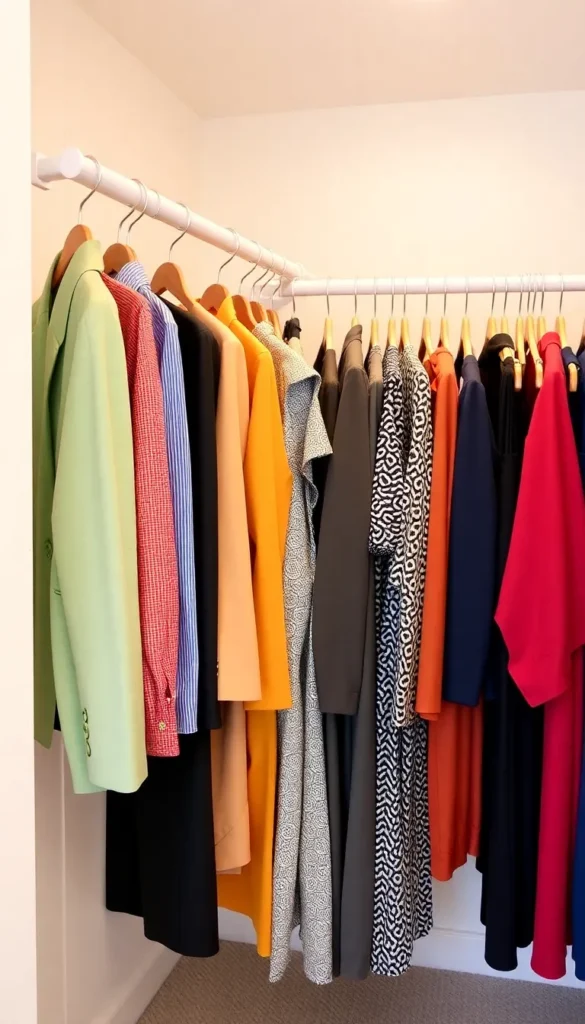
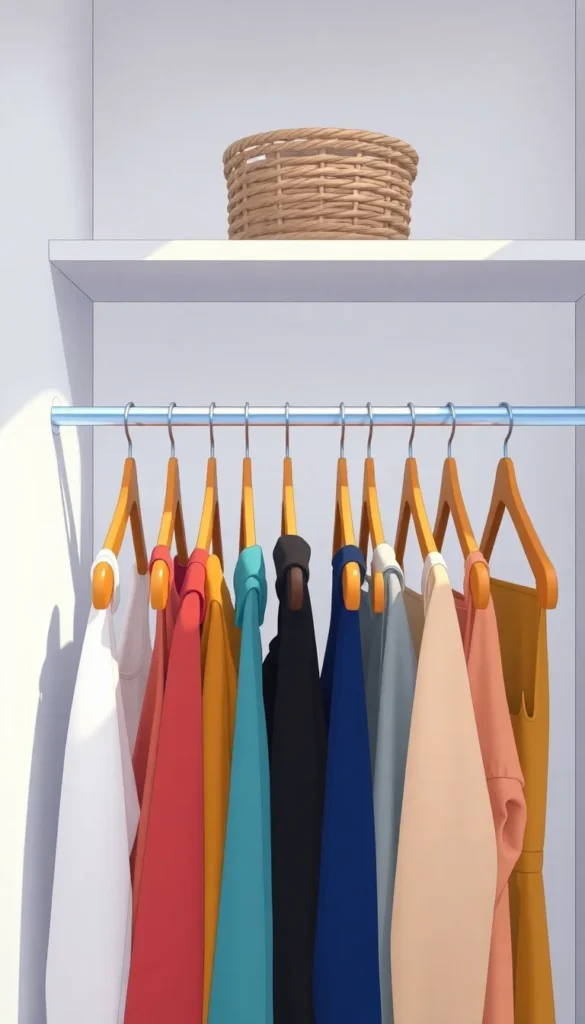
Now comes the most satisfying part. Slide each divider onto the rod at the boundary between clothing categories, then hang your clothes back in their designated sections.
A few finishing touches that take it to the next level:
- Match your hangers — velvet hangers in one color make the whole system look intentional and sleek
- Hang by color within each category — light to dark creates a subtle gradient that’s visually calming
- Add a divider for “Return to Store” or “Donate” at the end of the rod to keep decision-making ongoing
One Afternoon, One Organized Closet
Closet dividers are one of those small projects with an outsized impact. They take less than an hour to make, cost next to nothing, and fundamentally change how you interact with your wardrobe every single day.
Save this guide and make it your weekend project. Once your closet is divided and organized, getting dressed in the morning becomes the easiest part of your day.